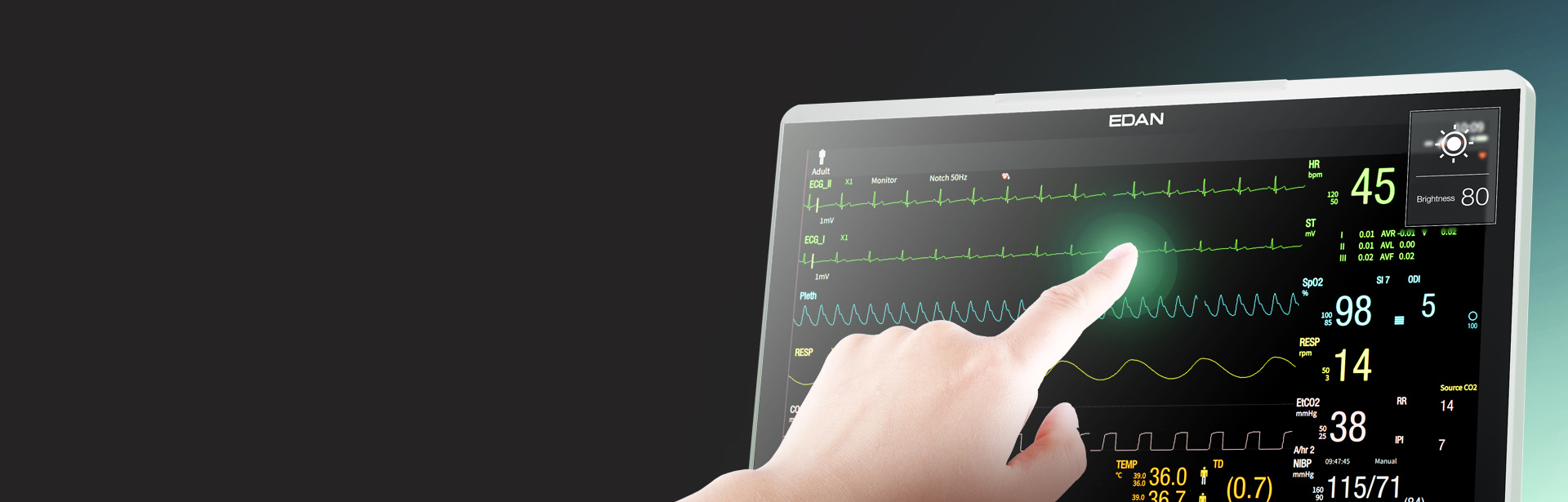
In busy clinical environments, efficient documentation and quick access to physiological data are vital. Even as digital records and networked systems grow more widespread, an integrated printer on a hospital patient monitor continues to have practical value. Printers embedded within monitoring devices help clinicians capture immediate snapshots of vital signs, support rapid decision-making, and ensure important data is physically available when it matters most.
The Ongoing Role of Printed Records in Patient Care
A primary function of any healthcare monitor is to display and archive patient data in real time. Many hospital workflows still depend on tangible records because printed strips of ECG, blood pressure trends, or respiratory patterns can be reviewed across shifts without logging into digital systems. This is especially true in critical care areas where teams need to glance at a record quickly during handoff discussions or when comparing readings from different time periods. An integrated printing capability simplifies this process by eliminating the need for a separate device and reducing interruptions during monitoring.
Reducing Workflow Complexity and Enhancing Efficiency
Complex environments such as emergency departments and intensive care units demand tools that support rapid, uninterrupted work. When a hospital patient monitor includes a built-in printer module, staff can obtain hard copies of vital sign trends or alarm events directly at the bedside. This convenience removes steps like exporting data to another workstation or waiting for a networked printer, which can introduce delays in time-sensitive situations. Additionally, having printouts accessible on demand can help with documentation for procedures, consultations, and interdisciplinary communication.
Supporting Clinical Standards and Compliance
Healthcare facilities often follow protocols that require documentation of key physiological parameters at specific intervals or following particular events. An integrated printing function on a healthcare monitor ensures that these requirements can be met consistently and without added logistical steps. In environments where electronic health record systems might face downtime or connectivity issues, printed records serve as an essential fallback.
Conclusion
Integrated printers in hospital patient monitor systems continue to be relevant because they streamline documentation, support clinical workflows, and reinforce quality care practices. While many modern monitors offer advanced screen displays and connectivity, the ability to produce immediate printed outputs remains valuable. The EDAN iX Series blends comprehensive monitoring functions with efficient usability, and when paired with compatible printing options, this platform supports both digital and physical documentation needs in diverse clinical settings.
