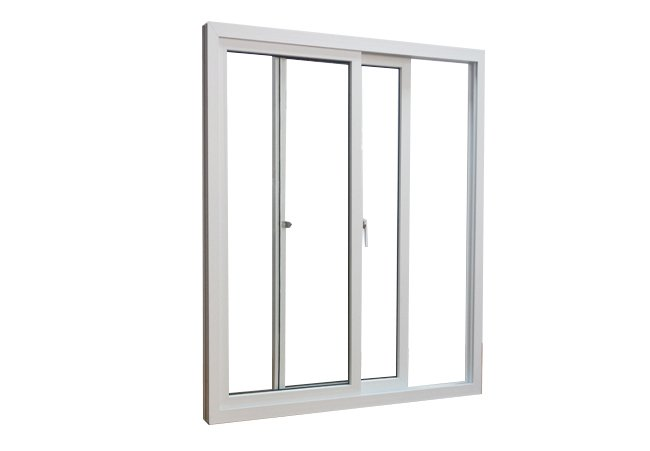
Installing a set of aluminum sliding glass doors is one of the most effective ways to bridge the gap between your indoor living space and the outdoors. These architectural features do more than just provide an exit; they act as transparent walls that invite natural light and create a sense of expansive space. However, many homeowners approach the installation process focusing solely on the “view,” only to realize later that technical details—like track depth and thermal barriers—are what actually determine the door’s longevity.
The Engineering of a Smooth Glide
The most common complaint homeowners have after a few years is a “heavy” or “stuck” door. This rarely happens because of the glass; it happens because of the track and roller engineering. In a high-quality sliding system, the weight of the glass (which can be substantial in double-glazed units) must be perfectly distributed across heavy-duty rollers.
From a structural perspective, aluminum is the ideal material for these large spans. Unlike vinyl or wood, which can warp under the heat of the sun or the weight of the glass, aluminum maintains its “plumb”—meaning the frame stays perfectly square. This stability is crucial for maintaining the airtight seal that keeps out dust, rain, and noise.
Why the “Factory Choice” Matters
The performance of your door is only as good as the precision of its manufacturing. When sourcing from a reputable China aluminum sliding glass doors factory, homeowners and contractors should look for two critical technical elements:
- Wall Thickness: The gauge of the aluminum profile determines its wind-load resistance. A thicker profile prevents the frame from “bowing” during high-pressure storms.
- Sealing Technology: Modern doors use EPDM or silicone gaskets. Unlike standard rubber, these materials are UV-resistant and won’t become brittle or “peel” after years of exposure to direct sunlight.
Homeowners often wish they had prioritized these industrial specs over the lowest price point. A factory that utilizes CNC precision cutting ensures that every joint is watertight, preventing the hidden rot or mold that can occur in the subflooring beneath a poorly sealed track.
Reliability and Performance by Bunniemen
Choosing a manufacturer with a proven track record is the best way to avoid “buyer’s remorse.” Bunniemen has spent over 17 years refining their digital manufacturing processes to meet the world’s most stringent building codes, including NAMI for the United States and AS2047 for Australia. Their 3,500sqm production workshop is designed for high-precision output, ensuring that every sliding system operates with effortless “one-finger” movement.
A versatile solution for residential projects is the Bunniemen 70 Series Aluminum Sliding Glass Door. This system is engineered with 1.4mm thick aluminum profiles, striking the perfect balance between a lightweight feel and structural durability. The 70 Series is designed for modern living, offering glazing options that range from 5mm single tempered glass to 5-9A-5 double tempered glass for enhanced thermal and acoustic insulation.
Additionally, the 70 Series can be equipped with a fiberglass mosquito screen, allowing for fresh air circulation without the nuisance of insects. By sourcing from a factory that emphasizes both “smart” production and customizable aesthetics, homeowners can ensure their aluminum sliding glass doors remain a beautiful, functional asset to their home for decades to come.
