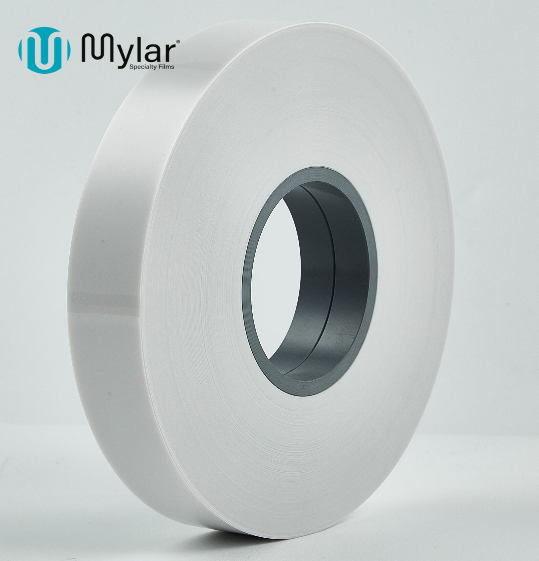
In high-voltage transformer design, material choices determine dielectric reliability, manufacturability, and lifecycle cost. Each insulating component must manage electric stress, thermal loading, and environmental exposure while fitting into production processes. Among polymer films used in transformers, mylar insulation (PET polyester film) has become a recurring option for specific insulation tasks. The following analysis explains why mylar for insulation can be critical for high-voltage transformer applications from a B2B procurement and engineering perspective, and how suppliers such as Sui On Insulating support specification and supply.
Dielectric performance and electrical stress management with mylar insulation
Mylar insulation functions primarily as a thin-film dielectric barrier that helps control electric field distribution in critical regions—interlayer spacers, phase barriers, and local stress-relief applications. The PET chemistry of Mylar® films provides stable dielectric strength and low dielectric loss at moderate to elevated frequencies, which assists in limiting partial-discharge initiation in localized high-field zones. For high-voltage transformers, where interface contamination and surface tracking can precipitate insulation failure, mylar for insulation offers a low-extractable surface that reduces resin and oil contamination risk during impregnation processes. Relevant certifications and product specifications (for example UL E93687 and environmental declarations such as RoHS and REACH) add procurement confidence and shorten qualification cycles. B2B buyers should match mylar grade and thickness against calculated creepage, clearance, and overvoltage margins; when used as a complementary layer—paired with kraft, pressboard, or higher-temperature materials—mylar insulation contributes to a graded dielectric system that enhances overall transformer durability.
Manufacturing integration, dimensional control, and thermal considerations
Manufacturability and dimensional stability make mylar for insulation attractive in production environments. Mylar® films are supplied in broad production-friendly widths (commonly 1000–1450 mm) and lend themselves to automated cutting, wrapping, and lamination processes, reducing labor cost and variability. Their flexibility and consistent thickness support tight tolerances required for interlayer and end-winding insulation assemblies, improving yield and reducing rework. Thermal considerations are critical: typical Mylar® service temperatures range around 105–130°C, so engineers must evaluate hotspot scenarios and cooling performance (air convection or directed cooling channels) to ensure the film remains within safe operational limits. In high-temperature regions or continuous overload conditions, mylar insulation is best deployed as part of a composite insulation scheme rather than as the sole insulating material.
Supply-chain and supplier capability implications for B2B purchasers
For OEMs and transformer manufacturers, supplier reliability and processing capability influence program risk as much as material spec. Established distributors and processors—such as Sui On Insulating—provide certified mylar grades, traceable lot documentation, and sample parts (A4 samples) that accelerate validation. System-level certifications (ISO9001, ISO14001, IATF16949) and consistent packaging support large-scale procurement and reduce qualification overhead. Long-term agreements with capable suppliers can secure priority allocation and stabilize cost exposure for mylar insulation across production ramps.
Strategic assessment: When to specify mylar for insulation in high-voltage transformers
Mylar insulation is most critical where thin, low-extractable dielectric layers improve field grading, reduce contamination risk during impregnation, and enhance manufacturability through consistent dimensional control. For high-voltage transformer programs, specifying mylar for insulation as a complementary element within a graded insulation design—and sourcing from qualified suppliers like Sui On Insulating—delivers a pragmatic balance of electrical performance, production efficiency, and supply-chain resilience.
