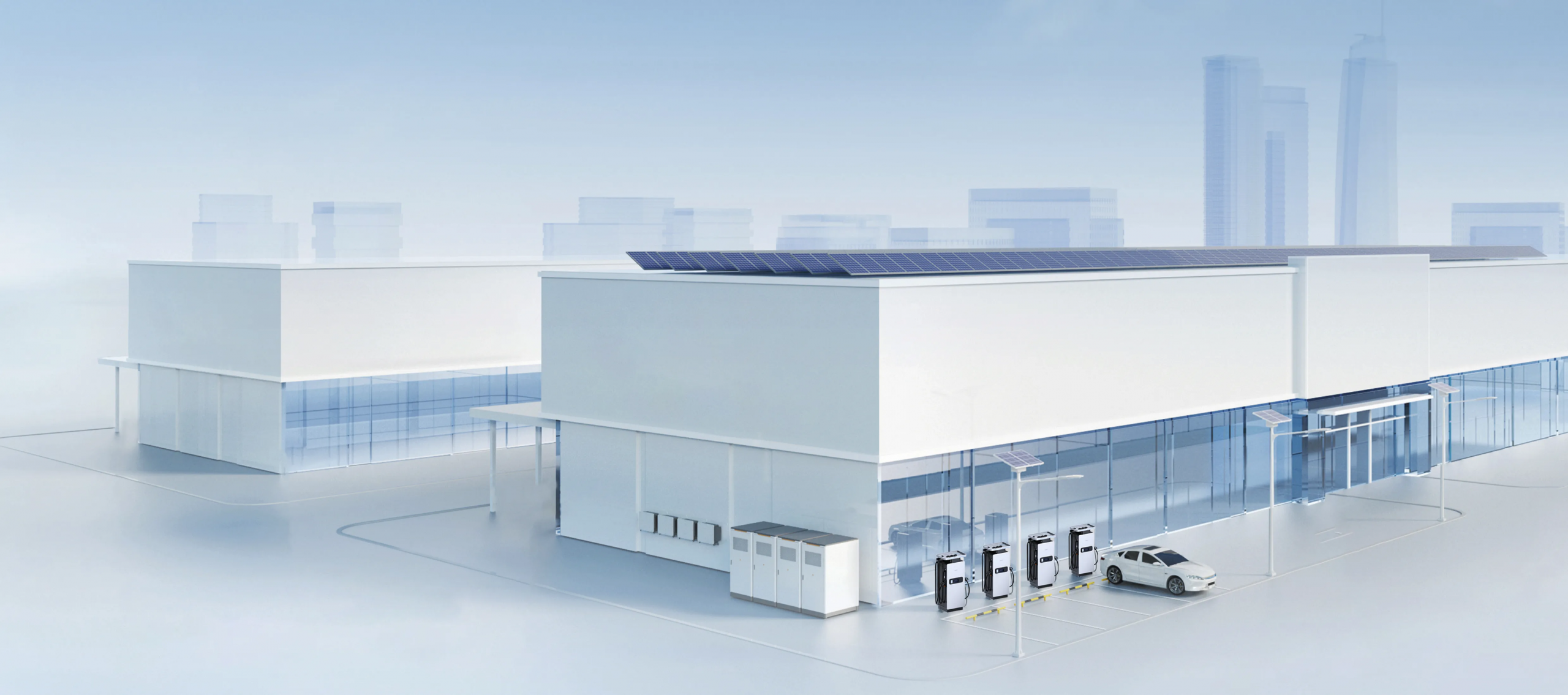
Commercial solar systems generate clean electricity for businesses, industrial facilities, and large rooftops. But beyond generation and efficiency, safety is a key part of any commercial installation. High-voltage equipment and long DC runs from solar modules to inverters can pose hazards for maintenance workers and emergency responders if not properly managed. Ensuring fire safety and compliance with rapid shutdown requirements protects people and property while supporting uninterrupted operations.
Why Fire Safety Matters
Solar installations carry electrical energy whenever sunlight hits the modules. Without proper safety controls, energized wiring and components can contribute to electrical arcs or fires, especially during emergencies such as grid faults or structural fires. Recent industrial rooftop PV fires have highlighted the need for improved safety planning and equipment design to reduce hazards.
Rapid Shutdown Basics
Rapid shutdown refers to a system’s ability to quickly reduce the energy in PV circuits during an emergency. Electrical codes in many regions now require commercial PV systems to include rapid shutdown functionality that brings voltage down to safer levels within a short time frame. This reduces the risk of arc flash and makes it safer for firefighters to operate near the solar array. In some markets, local regulations have made rapid shutdown mandatory for rooftop systems.
Integrating Safety with Sungrow Commercial Solar Energy Solutions
When planning a commercial solar installation, choosing components with built-in or compatible rapid shutdown features simplifies compliance and enhances safety. Commercial solar inverters and system solutions from Sungrow that integrate photovoltaics, energy storage, and control equipment help centralize both power generation and protective functions. For example, integration with energy storage and management platforms in a commercial system can support both system performance and emergency response needs.
Conclusion
Safety is essential for commercial solar energy systems, and understanding fire safety and rapid shutdown requirements helps ensure that your installation meets code and protects people and assets. Commercial installers and system designers should prioritize solutions that facilitate quick de-energization and clear labeling while also aligning with local electrical and fire safety standards. By addressing these requirements early in the design process, businesses can enjoy the long-term benefits of solar power with confidence.
