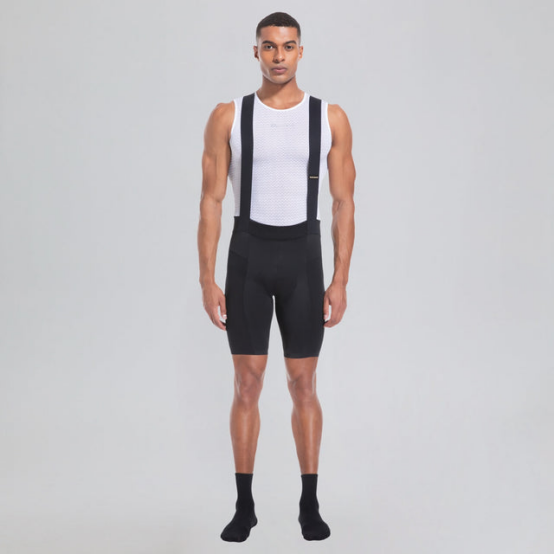
Navigating rugged mountain trails often brings the thrill of exploration alongside the unfortunate reality of gear damage. Snagging apparel on sharp branches or rocks is a common hazard for mountain bikers, yet a small tear does not necessarily signal the end of a reliable garment. Proper maintenance and timely intervention can significantly extend the lifespan of high-quality equipment, allowing athletes to continue focusing on the ride rather than equipment failure. Understanding the construction of technical apparel and the methods to repair it ensures that your investment remains functional across seasons of intense trail use.
Identifying the Damage and Assessing Structural Integrity
When damage occurs on the trail, the immediate priority involves assessing the severity of the tear. Surface abrasions differ significantly from full structural failures. A minor snag usually pulls the synthetic threads, which can often be managed at home with simple, precise tools. Conversely, structural tears occurring near high-stress areas like the seam junctions require more careful consideration. Before attempting any repair, it is crucial to ensure the fabric has been thoroughly cleaned and dried. Residual dirt, mud, or sweat can compromise the effectiveness of adhesive patches or thread stability, leading to premature failure of the fix.
The composition of modern men’s mountain bike bib shorts typically involves complex blends of nylon and elastane, engineered to provide compression and durability. These synthetic materials are sensitive to heat, which is a vital factor when performing repairs. Applying excessive heat during ironing or heat-sealing can weaken the surrounding fabric fibers, causing the material to lose its elastic memory. For this reason, professional repairs focus on reinforcement rather than aggressive thermal bonding. Using a small, curved needle and high-strength polyester thread is often superior to iron-on patches, as it maintains the flexibility of the garment through repetitive pedaling motions.
Techniques for Stitching and Reinforcing Fabric
For tears that remain relatively small, a blind stitch technique provides a discreet and effective solution. This method allows the fabric edges to be drawn together without creating bulky knots that might irritate the skin during long hours in the saddle. Precision is the key to maintaining the performance characteristics of bib shorts for mountain biking. When threading the needle, ensure the tension remains consistent. If the thread is pulled too tightly, the surrounding fabric will pucker, potentially creating new stress points that lead to further tearing.
Reinforcement becomes necessary when the damage is located near the contact points where the shorts interact with the saddle. In these instances, sewing a patch of similar high-stretch fabric onto the inside of the garment provides an additional layer of protection. This internal backing distributes pressure more evenly, preventing the jagged edges of the original tear from widening. By using a zig-zag stitch pattern, you allow the repair to stretch along with the garment, preserving the natural mobility required for technical trail riding. This ensures that the structural integrity of the piece remains intact, even when the fabric is under extreme tension during steep climbs or rapid descents.
Preventing Future Damage Through Careful Gear Selection
The most effective way to manage gear longevity involves selecting apparel that is specifically engineered for the rigors of off-road environments. Not all garments offer the same level of resistance to trail debris. Premium options, such as those found in the collections at Przewalski bib shorts, incorporate advanced textile technologies designed to resist pilling and snags. These specialized garments often feature reinforced panels in high-wear areas, reducing the likelihood of tears occurring in the first place.
When you prioritize durable construction, you significantly reduce the amount of maintenance required. High-density weaving techniques prevent sharp objects from penetrating the surface of the fabric as easily as they would with thin, race-focused road attire. Investing in robust apparel means spending less time on DIY repairs and more time on the trail. Understanding the manufacturing standards behind your gear allows you to make informed decisions that align with your riding habits. If your local trails are densely forested or filled with loose, jagged rock, opting for gear with high abrasion resistance is a strategic move that saves both time and financial resources in the long run.
Maintaining Performance Throughout the Lifecycle of Your Apparel
Even with durable equipment, proper care routines are essential for sustaining the functional life of your cycling wardrobe. Washing garments inside a dedicated mesh laundry bag prevents them from snagging on other items or being pulled by the agitator in a washing machine. Avoiding harsh detergents and high-heat drying cycles preserves the elastane fibers, which are responsible for the compression and support that riders rely on for comfort. When these fibers remain healthy, the garment maintains its fit, ensuring the chamois padding stays securely anchored in the correct position throughout long, punishing rides.
Regular inspection of your gear after every wash cycle allows you to catch minor issues before they become major problems. If you notice a loose thread or a fraying seam, addressing it immediately prevents the fabric from unraveling. This proactive approach to gear management is a hallmark of dedicated mountain bikers who treat their apparel as a vital piece of performance equipment. By taking ownership of the maintenance process, you extend the utility of your gear, ensuring it continues to provide the necessary support for your adventures. Whether navigating technical rock gardens or flowing singletrack, your focus should remain entirely on your line choice and pedaling cadence rather than the state of your clothing. Utilizing reliable and expertly crafted apparel provides the confidence that your kit is built to withstand the demands of the sport, allowing you to push your limits on the bike while knowing your gear is secure and comfortable.
