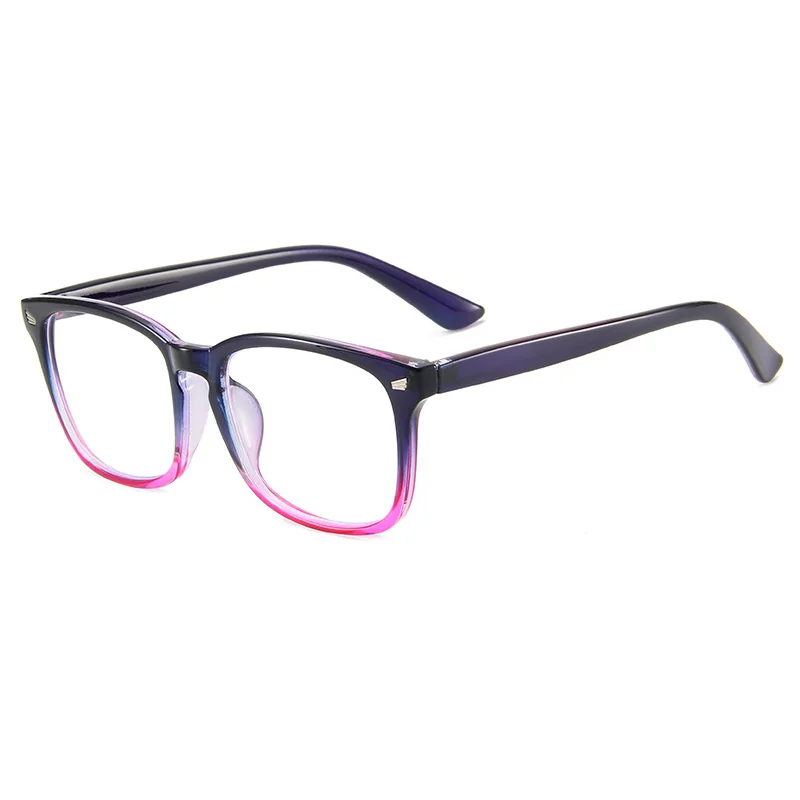
The optical industry operates on a cycle of steady, demand-driven growth. An aging population needs vision correction, screen-heavy lifestyles accelerate lens upgrades, and the cultural shift toward eyewear as a fashion accessory means consumers replace frames far more often than they did a generation ago. For businesses that buy in volume—retail chains, distributors, private-label brands—the task is not just finding optical frames for sale. It is building a procurement system that aligns material choices, supplier evaluation, and inventory design with actual market movement. This article walks through the practical layers of bulk frame purchasing without leaning on sales rhetoric.
How Market Dynamics Shape Wholesale Procurement
Several structural shifts are influencing purchasing behavior among optical buyers. The demographic pressure of an older population continues to drive demand for prescription and vision correction products, while the spread of digital devices has made blue-light-filtering functionality a mainstream consideration. Simultaneously, consumers increasingly treat eyewear as a fashion category, rotating frames to match personal style rather than owning a single pair for years. This behavioral change has compressed product life cycles and raised the stakes for inventory management.
For wholesale purchasers, these trends carry a direct implication: stock must move faster, and the cost of holding inventory that misses the market grows each season. Frames that sit beyond twelve months often require significant markdowns to clear, which erodes gross margin considerably. A procurement plan that balances evergreen silhouettes with seasonal experimentation has therefore become a financial necessity rather than a merchandising preference.
Material Selection and Its Procurement Implications
Frame material is not simply an aesthetic choice—it determines cost structure, target demographic, and supply chain complexity. Five materials dominate wholesale optical frame production, each with distinct characteristics.
TR90 is a high-molecular nylon material with shape memory. It weighs noticeably less than acetate, offers strong impact resistance, and sits at a moderate wholesale price point when ordered in volume. Its flexibility makes it a workhorse for everyday basics, children’s frames, and sport-adjacent styles.
Acetate, derived from wood pulp through a lamination process, delivers rich color depth and the capacity for layered patterning that other materials cannot replicate. It is hypoallergenic and adjustable with heat, which opticians value for precise fitting. Because acetate commands a higher per-unit cost than TR90, it tends to occupy the premium tier within a product assortment.
Titanium stands apart for its strength-to-weight ratio. Pure titanium frames can be manufactured in ultra-thin profiles that remain structurally sound, and the material is nickel-free, making it suitable for wearers with metal sensitivities. The trade-off is cost—titanium wholesale pricing sits at the upper end of the spectrum—and a narrower color palette compared to acetate.
PC (polycarbonate) provides lightweight construction at one of the lowest material costs, making it a common entry point for volume-driven product lines. It offers adequate impact resistance for safety and children’s eyewear but lacks the premium hand feel of acetate or the refinement of titanium.
Metal alloys, including stainless steel and monel, offer a balance of durability and slim profile at mid-range pricing. They hold their shape well over repeated use and are widely available across supplier catalogs.
Procurement professionals operating in the optical frames for sale market often structure orders across two or three of these materials to cover distinct price points and customer segments within a single shipment.
Structuring Supplier Evaluation Beyond Unit Price
Comparing per-unit cost is straightforward; assessing whether a supplier can sustain quality across production cycles is where sourcing competence is tested. A structured evaluation framework considers four dimensions.
First, operational reliability deserves scrutiny. Consistent on-time delivery rates indicate process maturity; response times measured in hours rather than days typically signal dedicated account management and active order-tracking systems. Healthy reorder rates from existing buyers suggest that others have found the relationship worth continuing.
Second, quality assurance must be verified rather than assumed. ISO 12870, which specifies requirements and test methods for unglazed spectacle frames, provides an internationally recognized benchmark. Beyond certifications, physical sample inspection remains indispensable—hinge durability tested over thousands of cycles, surface finish uniformity, and material composition verification all contribute to a complete quality picture.
Third, customization capacity matters for buyers developing private-label lines. The ability to implement logo engraving, color variants, packaging personalization, and minor geometry adjustments distinguishes manufacturers with verifiable production control from trading intermediaries.
Fourth, the communication cadence established during initial inquiries often predicts the experience at scale. Suppliers who respond with specific technical answers rather than generic sales language, and who can provide annotated visuals in response to feedback, demonstrate the operational discipline required for long-term collaboration.
Inventory Architecture and the Cost of Dead Stock
Procuring optical frames for sale in bulk without a corresponding inventory framework introduces a measurable financial drain. Unsold inventory ties up capital that cannot be redeployed into faster-turning styles. In a market where wholesale frame costs span a wide range, the opportunity cost compounds with every month a frame remains on the shelf.
A common inventory model separates stock into two groups: a core collection of classic shapes, neutral colorways, and proven materials such as black acetate and rimless titanium, and a smaller, seasonal tranche of trend-forward colors and silhouettes. This structure, adapted from fashion retail, allows the core to generate predictable cash flow while the seasonal portion creates visual freshness without exposing the buyer to the risk of large, slow-moving positions.
The viability of this approach depends on supplier logistics. Replenishment cycles measured in days rather than weeks, with consistent product availability and manageable minimums, allow buyers to carry leaner inventory while responding to actual sell-through data rather than speculative forecasting.
A Note on Manufacturing Infrastructure
China’s optical manufacturing clusters—Guangdong for acetate and titanium craftsmanship, Zhejiang for wholesale distribution and rapid fulfillment, Wenzhou for cost-efficient metal production—form an integrated supply chain where material suppliers, plating facilities, and hinge manufacturers operate in geographic proximity, compressing lead times and logistics costs. Standard delivery for in-stock items runs a matter of days; custom production adds additional weeks depending on tooling requirements. Among the manufacturers serving this ecosystem, JHEYEWEAR produces optical frames in PC, TR90, metal, acetate, and titanium, supporting OEM and ODM customization for business buyers with established order volumes.
A methodical procurement strategy treats wholesale optical frame purchasing as a continuous refinement process rather than a one-time sourcing event. Material selection defines cost and customer fit. Supplier evaluation reduces the probability of quality variance and fulfillment delays. Inventory architecture safeguards margins from the erosion that occurs when frames outlast their market relevance. For buyers approaching this category with a structured framework, the opportunity lies in building a supply relationship that can sustain consistent product quality, predictable restocking, and the flexibility to adapt as consumer preferences shift.
