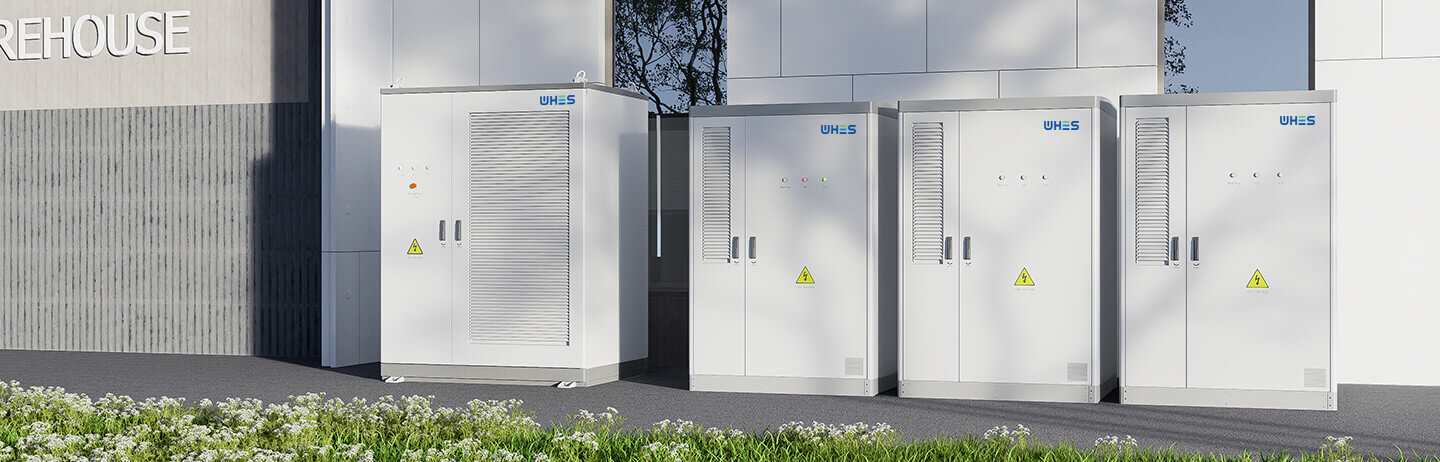
Energy storage technologies are increasingly deployed across both residential and commercial environments, but their design and application differ significantly. Understanding these differences is essential for organizations evaluating a commercial energy storage system as part of their energy strategy. While residential systems focus on household energy optimization, commercial battery storage addresses more complex operational, economic, and reliability requirements. These distinctions influence system scale, functionality, and integration within broader energy infrastructure.
System Scale and Functional Requirements
One of the most notable differences lies in system scale and capacity. Residential storage systems are typically designed to support individual homes, with relatively limited energy demand and simpler load profiles. In contrast, a commercial energy storage system must handle significantly larger and more variable loads, often supporting manufacturing processes, office complexes, or industrial facilities.
As a result, commercial battery storage solutions require higher capacity, greater power output, and more robust system architecture. They are often deployed in modular configurations to allow scalability based on operational needs. Additionally, commercial energy storage system installations must comply with stricter technical and safety standards due to their size and integration with critical infrastructure. These systems are engineered to ensure consistent performance under demanding conditions, which is less critical in residential applications.
Energy Management and Operational Complexity
Another key difference is the level of sophistication in energy management. Residential systems primarily aim to increase self-consumption of renewable energy and provide backup power. By comparison, commercial battery storage supports a wider range of applications, including peak shaving, load shifting, demand response, and participation in grid services.
WHES provides sophisticated commercial energy storage systems designed to meet these intricate needs. With the help of its energy management system, WHES OS, and its partnership with industry-leading battery module provider CATL, WHES makes it possible to precisely monitor and regulate energy flows. This improves system efficiency, lowers operational costs, and helps firms optimise their power consumption. Maintaining dependable performance throughout the system lifespan is WHES’s speciality. The company offers comprehensive assistance, beginning with solution design and implementation and continuing through maintenance and after-sales service.
Aligning Storage Solutions with Operational Needs
For organizations, selecting between residential and commercial battery storage depends on the scale and complexity of energy demands. WHES focuses on delivering reliable, intelligent, and efficient commercial energy storage system solutions that empower businesses to enhance energy independence and operational resilience.
By addressing higher capacity requirements and advanced energy management needs, commercial battery storage plays a critical role in modern energy strategies, distinguishing itself clearly from residential storage applications.
