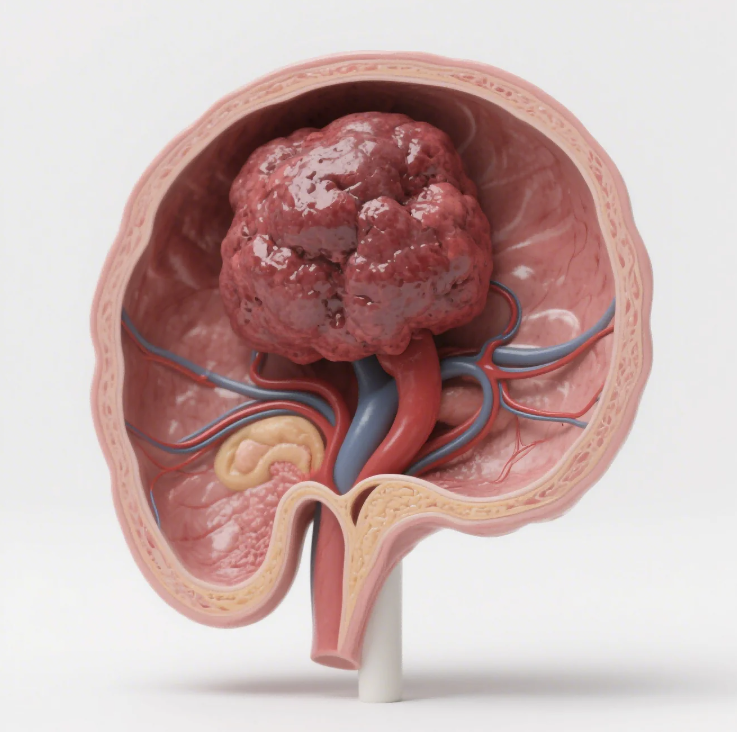
Selecting a dependable CRO is one of the most important decisions in preclinical oncology research, especially when studies involve orthotopic tumor models. Unlike subcutaneous tumor models, orthotopic models require tumor cells or tissues to be implanted into the original organ where the cancer develops. This approach allows researchers to observe tumor progression within a physiological microenvironment that more closely resembles clinical conditions. Because the tumor interacts with surrounding tissues, blood vessels, stromal cells, and immune components, these models are frequently used to investigate tumor invasion, metastasis, therapeutic response, and disease progression. However, the complexity of these studies also means that differences in surgical techniques, animal management, experimental design, and data collection can significantly influence research outcomes. As a result, choosing a reliable CRO should involve a careful assessment of technical competence, quality management, available research platforms, and long-term scientific support rather than simply comparing service costs or project timelines.
Assess Technical Competence and Experimental Standards
One of the first factors researchers should evaluate is whether the CRO possesses practical experience with different orthotopic implantation procedures. Each cancer type presents unique biological and anatomical characteristics, meaning that liver, pancreatic, breast, lung, colorectal, and brain tumors all require different surgical approaches and evaluation strategies. A provider with broad experience across multiple tumor types is generally better prepared to recommend suitable experimental designs and avoid unnecessary technical risks.
Researchers should also examine whether the laboratory follows standardized operating procedures throughout the entire project. Well-documented protocols help reduce variation between experiments and improve reproducibility across different research batches. In addition, quality control measures should cover every stage of the study, including cell preparation, animal monitoring, tumor implantation, imaging, sample collection, pathology evaluation, and statistical analysis. Consistent documentation enables research teams to understand how experimental decisions are made and supports future validation studies.
Technical infrastructure is equally important. Reliable orthotopic studies often require advanced imaging systems to monitor tumor growth without unnecessary animal sacrifice. Instruments such as small-animal fluorescence imaging systems, PET-CT platforms, flow cytometers, and molecular biology equipment provide researchers with multiple methods for evaluating therapeutic efficacy. These technologies also support biomarker analysis and mechanistic studies, allowing investigators to obtain more comprehensive datasets from a single experiment.
Another point that should not be overlooked is the ability to customize research protocols. Oncology drug development rarely follows a universal template. Different therapeutic strategies—including antibody drugs, small-molecule compounds, nucleic acid therapies, cell therapies, and combination treatments—often require different dosing schedules, observation periods, efficacy endpoints, and tissue analyses. CROs that can adjust protocols according to project objectives are usually able to provide studies that better match the scientific questions being investigated.
Consider Model Resources and Integrated Research Capabilities
The availability of diverse disease models is another important indicator when evaluating providers of orthotopic tumor models. Building a reliable model requires much more than animal surgery. High-quality tumor cell lines, patient-derived samples, immunodeficient mouse strains, and validated disease resources all contribute to successful model establishment. CROs with extensive biological resource libraries are often able to shorten project preparation time because suitable materials are already available instead of being developed from the beginning for every study.
Researchers should also evaluate whether the CRO can support additional stages of drug development beyond model construction. Preclinical oncology projects frequently require target validation, efficacy evaluation, pharmacodynamic studies, histopathological examination, biomarker detection, molecular biology analysis, and bioinformatics interpretation. Managing these activities through different suppliers may increase communication costs and introduce inconsistencies in data management. An integrated research platform can improve project coordination while maintaining standardized workflows from beginning to end.
This integrated service model is one reason why many research organizations consider Jennio Biotech when selecting preclinical partners. They support oncology research through multiple technology platforms rather than focusing on a single experimental service. Their capabilities include PDX and CDX resources, three-dimensional organoid technologies, CRISPR-based gene editing, molecular biology analysis, and bioinformatics support. Their laboratory infrastructure includes standardized SPF animal facilities, P2 (biosafety level 2) laboratories, advanced cell culture platforms, and analytical instruments that support studies from model establishment to efficacy evaluation. By combining these resources within one workflow, they are able to provide technical support for a wide range of oncology research projects while helping research teams coordinate complex experimental processes more efficiently.
Evaluate Scientific Collaboration and Long-Term Research Value
Selecting a CRO should not be based solely on whether a model can be established successfully. Researchers also benefit from working with organizations that can provide scientific consultation throughout the project. Early discussions about study objectives, animal selection, endpoint design, sample collection, and statistical planning often reduce the need for protocol modifications after experiments have started. This type of communication becomes increasingly valuable for complex oncology studies involving combination therapies, biomarker discovery, or personalized treatment strategies.
It is equally important to understand how experimental data will be generated and reported. A reliable provider should maintain complete experimental records, standardized quality documentation, and transparent reporting procedures. Clear data presentation allows research teams to interpret results more efficiently and supports subsequent regulatory submissions, publication preparation, or follow-up studies. Researchers may also ask whether the CRO has experience supporting projects for pharmaceutical companies, biotechnology enterprises, hospitals, and academic research institutions, as this often reflects their ability to work with different scientific requirements and project scales.
Another consideration is whether the CRO continues investing in technology development rather than relying only on established models. Modern oncology research increasingly combines orthotopic studies with complementary platforms such as patient-derived xenograft models, three-dimensional organoids, genomic analysis, and biomarker identification. Integrating multiple technologies can provide a broader understanding of drug responses while helping researchers compare findings generated from different experimental systems. For this reason, many laboratories prefer partners that can support several research stages instead of offering isolated services.
In addition to orthotopic tumor model development, Jennio Biotech provides coordinated Preclinical CRO Services covering target validation, disease model construction, drug efficacy studies, molecular biology experiments, and bioinformatics analysis. Their technical platform also supports customized study design according to different therapeutic mechanisms and research objectives. This integrated approach enables research teams to combine orthotopic models with complementary technologies when appropriate, creating more comprehensive datasets while simplifying project management across multiple experimental stages.
Conclusion
Finding a reliable CRO requires careful evaluation of technical expertise, standardized operating procedures, model resources, laboratory infrastructure, scientific communication, and integrated research capabilities. While pricing and project timelines are practical considerations, they should not replace a detailed assessment of the provider’s ability to generate reproducible and scientifically meaningful data. A CRO with established quality systems, experienced technical personnel, and flexible study design capabilities can provide stronger support for oncology research throughout the preclinical development process.
For projects involving orthotopic tumor models, researchers should look for organizations that combine specialized model development with complementary technologies and end-to-end research services. By integrating resources such as PDX and CDX models, organoid platforms, gene editing, molecular analysis, and bioinformatics, Jennio Biotech supports a broad range of preclinical oncology studies while allowing research teams to coordinate multiple research activities through a single technical platform. Careful partner selection helps establish a solid foundation for generating reliable preclinical evidence and advancing translational cancer research.
(Disclaimer: This article is provided for scientific communication and general informational purposes only. Any data, findings, or views discussed may involve preclinical, in vitro, in vivo, or other research-stage work and should not be construed as medical advice, diagnosis, treatment recommendations, clinical efficacy claims, or guarantees of safety or therapeutic outcomes.)
