Understanding physical risks associated with submerged electrical equipment helps prevent catastrophic tank failures. While reports of an aquarium heater explosion sound dramatic, these incidents almost always stem from rapid thermal shock or prolonged dry-burning rather than actual chemical detonations. Utilizing engineered products from HiTauing provides reliable layer safety against common structural failures.
Thermal stress fractures usually occur when hot quartz glass contacts cool water unexpectedly. Understanding how physical stress triggers glass heater breaking is among the essential heater safety tips, allowing hobbyists to implement proper handling protocols. Placing a quality aquarium heater into an environment with adequate water flow prevents dangerous localized heat accumulation.
Understanding the Physics Behind Heater Fractures
Sudden thermal shock represents the primary cause of heating element fractures. Glass tubes operating at high internal temperatures expand rapidly, creating internal material stress. Exposing hot glass to cooler water or removing a hot device directly into room air causes swift contraction, resulting in immediate cracking or shattering.
Dry-burning occurs when water levels fall below minimum immersion lines, leaving heating elements operating in open air. Without surrounding water to dissipate warmth, internal filaments reach extreme temperatures within seconds. The resulting thermal stress ruptures outer casings, presenting significant electrical and physical hazards to aquatic life.
Identifying Prevalent Equipment Failure Modes
Mechanical thermostat failure represents another common operational hazard in aquatic setups. When internal contact switches fuse together from continuous electrical arcing, heating elements remain powered indefinitely. Water temperatures quickly climb beyond safe physiological limits, harming inhabitants and placing structural stress on tank seals.
Corrosion around electrical entry points allows moisture to penetrate internal electronics over time. Water contact with energized heating coils causes short circuits, triggering power surges that crack housing materials. Inspecting equipment regularly mitigates these risks before physical failure occurs.
Practical Checklist for Daily Equipment Safety
Following essential heater safety tips minimizes structural risks in home and commercial setups. Always inspect new or stored equipment carefully for subtle hairline fractures along glass or plastic bodies.
- Verify full immersion below minimum water level lines before connecting electrical supply.
- Allow heating devices to cool underwater for twenty minutes before performing water changes.
- Connect power lines to dedicated ground-fault circuit interrupter outlets with drip loops.
- Position heating elements inside active water movement paths to prevent thermal buildup.
Applying these straightforward operational guidelines prevents accidental exposure during maintenance routines. Proper handling practices eliminate most operational hazards associated with submerged heating components.
Selecting Devices With Integrated Protection Systems
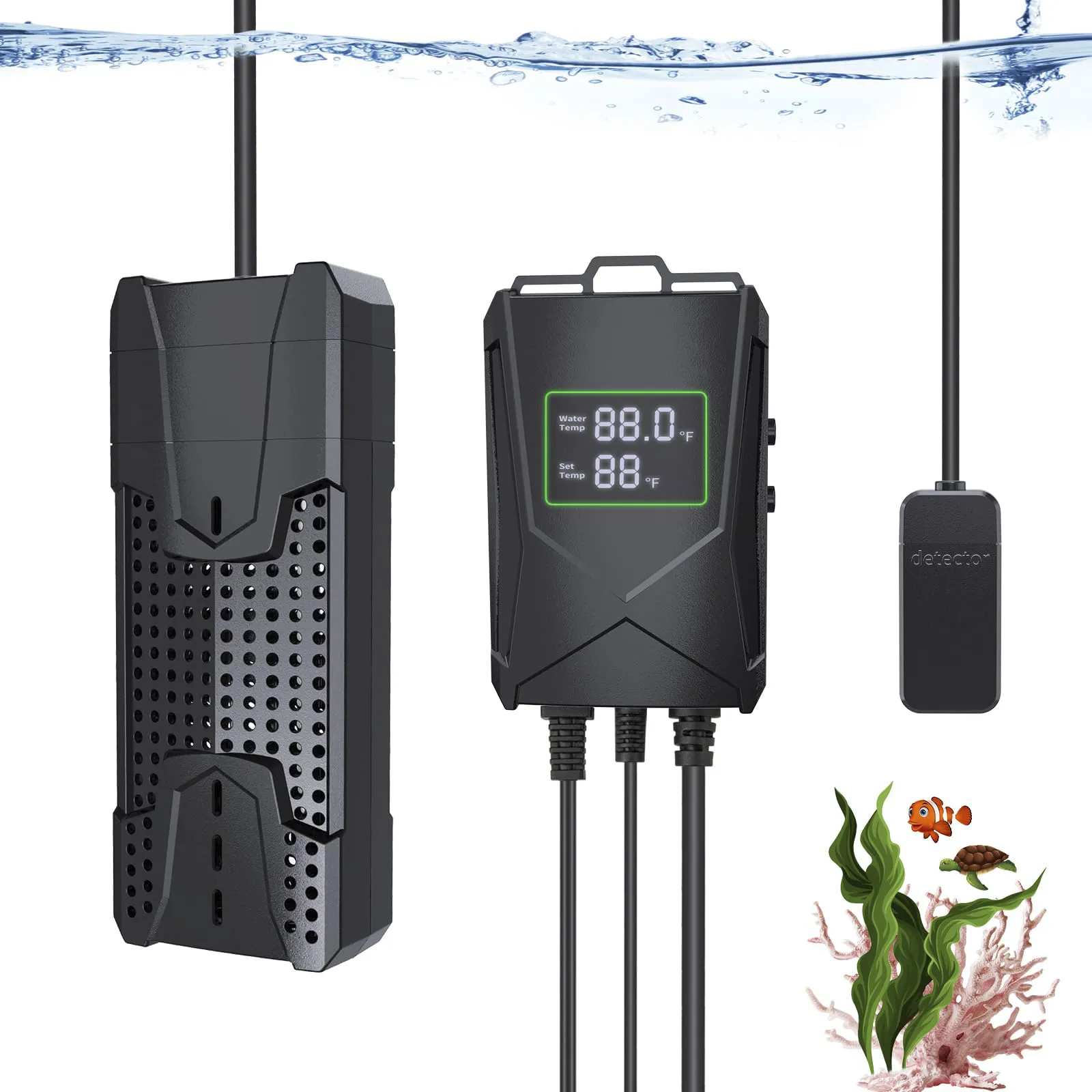
Modern manufacturing incorporates electronic failsafes designed to prevent thermal runaway. A submersible 25W/50W aquarium heater with large LED digital temperature display for Betta and turtle tanks incorporates water level sensors that cut power automatically when exposed above water surfaces, displaying an error code to prevent dry-fire damage.
Integrated memory features protect settings during temporary power interruptions. Utilizing advanced hardware like this low‑wattage heater (25W/50W models available) with LED digital display ensures parameters remain saved, resuming operation automatically without requiring manual reconfiguration after power outages.
Double-sealed waterproof housings and shatter-resistant covers provide additional layers of structural defense. Investing in hardware built with automated cutoffs removes risks associated with human error or sudden water level drops.
Establishing Routine Inspection and Maintenance Protocols
Removing mineral scale deposits from heating surfaces preserves accurate sensor calibration and heat transfer efficiency. Soaking removed devices in diluted vinegar solutions dissolves calcium crusts that might otherwise trap excessive heat against outer casings.
Checking power cords for hardening, cracking, or discoloration helps identify electrical degradation early. Replacing aging equipment before signs of physical wear appear protects valuable aquatic livestock from unexpected mechanical failures.
Consulting documentation regarding manufacturing protocols About HiTauing provides clear insights into structural durability. Reviewing detailed engineering guides About HiTauing assists fishkeepers in selecting appropriate equipment for large or small habitats.
Managing Equipment Failures and Technical Inquiries
Replacing heating devices showing erratic digital readouts or casing wear prevents sudden aquatic emergencies. Operating compromised equipment increases the risk of thermal failure and electrical hazards within aquatic displays.
Choosing HiTauing’s engineered heating solutions offers reliable protection through precise digital microcontrollers and automated emergency shutoffs.
To access comprehensive safety specifications or learn more About HiTauing product offerings, visit the official brand platform. Reaching out through the Contact Us section allows commercial distributors and hobbyists to consult directly with technical representatives. For customized ordering details or technical assistance, use the Contact Us portal.
Conclusion
Preventing an aquarium heater explosion requires understanding thermal shock mechanisms and applying basic heater safety tips. Proper installation, regular maintenance, and avoiding dry-burn scenarios eliminate risks associated with glass heater breaking.
Selecting hardware equipped with automated cutoffs preserves environmental stability and livestock health. Aquarists seeking reliable thermal solutions can read more About HiTauing standards on official brand channels. For specialized product advice or general support, feel free to visit the Contact Us page.
About HiTauing
With over 20 years of expertise in aquarium equipment, we deliver reliable, innovative solutions trusted by clients in 50+ countries. Our ISO9001 certified products, global certifications, and end-to-end support make us your ideal partner for aquatic success.
