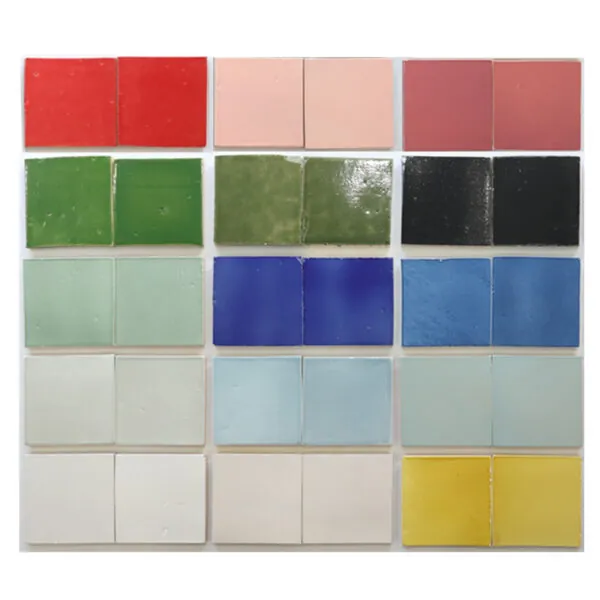
Designing a kitchen involves balancing functional requirements with aesthetic aspirations. The surfaces chosen experience daily use while serving as primary visual anchors. Wall cladding, particularly the backsplash, offers an opportunity to inject individual character. Selecting materials with organic textures can soften the rigid geometry typical of cabinetry and countertops.
Incorporating handmade kitchen tiles provides a distinct alternative to machine-pressed options. These materials introduce subtle variations in texture, color, and edge profile. Such nuanced differences create dynamic visual interest that manufactured uniformity lacks. Carefully considering color, finish, and layout ensures these unique surfaces enhance the overall culinary environment effectively.
The Core Characteristics of Handmade Kitchen Tiles
The primary appeal of handmade kitchen tiles lies in their intentional irregularities. Unlike mass-produced ceramics, artisanal styles feature gently undulating surfaces and slightly uneven edges. These physical traits catch ambient lighting differently across individual pieces. The resulting shadow play adds spatial depth to vertical surfaces behind stoves and sinks.
Glaze application on these textured surfaces produces delicate tonal shifts within a single batch. Areas where the glaze pools slightly thicker appear darker, while thinner sections reveal lighter shades. This inherent color variation prevents monochromatic installations from looking stagnant, allowing designers to achieve complex visual textures naturally.
Selecting Appropriate Color Palettes
Color selection heavily influences the perceived scale of a kitchen space. Soft, neutral tones like warm whites and pale grays remain popular for creating bright environments. These subtle shades allow the tactile qualities of the tile to remain the primary focus while reflecting natural daylight across smaller layouts.
Conversely, saturated hues can establish dramatic focal points within modern culinary spaces. Deep navy blues, emerald greens, and rich terracotta shades add significant visual weight to backsplash installations. When paired with complementary cabinetry, these bold tones create sophisticated interiors. Evaluating room lighting conditions helps determine appropriate color intensity.
Evaluating Surface Finishes for Culinary Environments
Surface finish selection dictates both the aesthetic impact and the maintenance requirements of the installation. Glossy glazes reflect light efficiently, which can make compact kitchens feel more expansive. The smooth nature of high-gloss surfaces also facilitates straightforward cleaning. Wiping away cooking splatters from a glassy finish requires minimal daily effort.
Matte finishes offer a more subdued, contemporary appearance that absorbs light rather than reflecting it. This muted aesthetic pairs well with natural wood cabinetry and honed stone countertops. While matte surfaces might require slightly more attention, modern glaze technologies ensure they remain highly resistant to staining and moisture penetration.
Exploring Layout Options and Format Dimensions
The chosen installation pattern significantly alters the final appearance of handmade kitchen tiles. Traditional horizontal brick-bond layouts emphasize width, making narrow walls appear broader. Vertical stacking introduces a modern, structured aesthetic that draws the eye upward. Herringbone patterns offer a complex geometry that serves well as a standalone feature wall.
Establishing the appropriate tile dimension is equally important for the layout strategy. Manufacturers typically offer standard sizes that accommodate various design preferences. Common formats include rectangular profiles like 75x150mm and 75x300mm, alongside classic square options such as 100x100mm and 130x130mm. Selecting the right proportion depends on the available wall space.
Technical Specifications for Backsplash Cladding
While visual appeal drives the initial selection, technical specifications govern long-term performance. Ceramic wall tiles generally possess a water absorption rate exceeding 10 percent. This porous body structure is intentional, allowing standard thin-set mortars to form a strong mechanical bond. Secure adhesion is crucial for vertical applications in high-traffic areas.
The protective glaze layer serves as the primary defense against moisture and culinary stains. A properly fired glaze creates a non-porous barrier over the ceramic body. This protective coating ensures that water, oils, and food splatters remain on the surface. Maintaining an intact glaze keeps the installation sanitary and structurally sound.
Sourcing Solutions from JLA Ceramics
Partnering with experienced manufacturing facilities streamlines the procurement process for complex design projects. Operations like JLA Ceramics combine the aesthetic appeal of traditional craftsmanship with modern production consistencies. This balance ensures that while the surface appears uniquely textured, the structural integrity and dimensional tolerances remain reliable for professional installation teams.
Sourcing from a versatile manufacturer provides access to extensive product catalogs tailored for wall applications. JLA Ceramics produces varied collections featuring organic edges, varied glazes, and multiple sizing options. This product diversity allows architects and designers to specify materials that align precisely with their distinct creative visions for culinary spaces.
Facilities equipped for custom production further expand design possibilities. OEM and ODM services allow for the development of bespoke colors or specific edge treatments. This capability proves valuable for developers managing large-scale residential projects who require unique design elements. Custom manufacturing ensures the final product aligns exactly with specialized architectural requirements.
Finalizing the Kitchen Design Strategy
Integrating textured wall ceramics into a culinary space requires careful planning and material evaluation. Balancing the desire for organic aesthetics with practical maintenance needs guides the selection process. Understanding how different glazes, colors, and layouts interact ensures the final installation enhances both the function and the visual appeal of the room.
Structured procurement strategies support the successful realization of these interior designs. Evaluating technical data, requesting physical samples, and verifying supplier capabilities mitigate potential construction delays. Engaging with established production partners like JLA Ceramics provides the necessary resources to execute sophisticated design plans. Reliable sourcing ensures high-quality materials arrive securely packaged.To explore handmade kitchen tile formats and finishes, visit JLA Ceramics.
