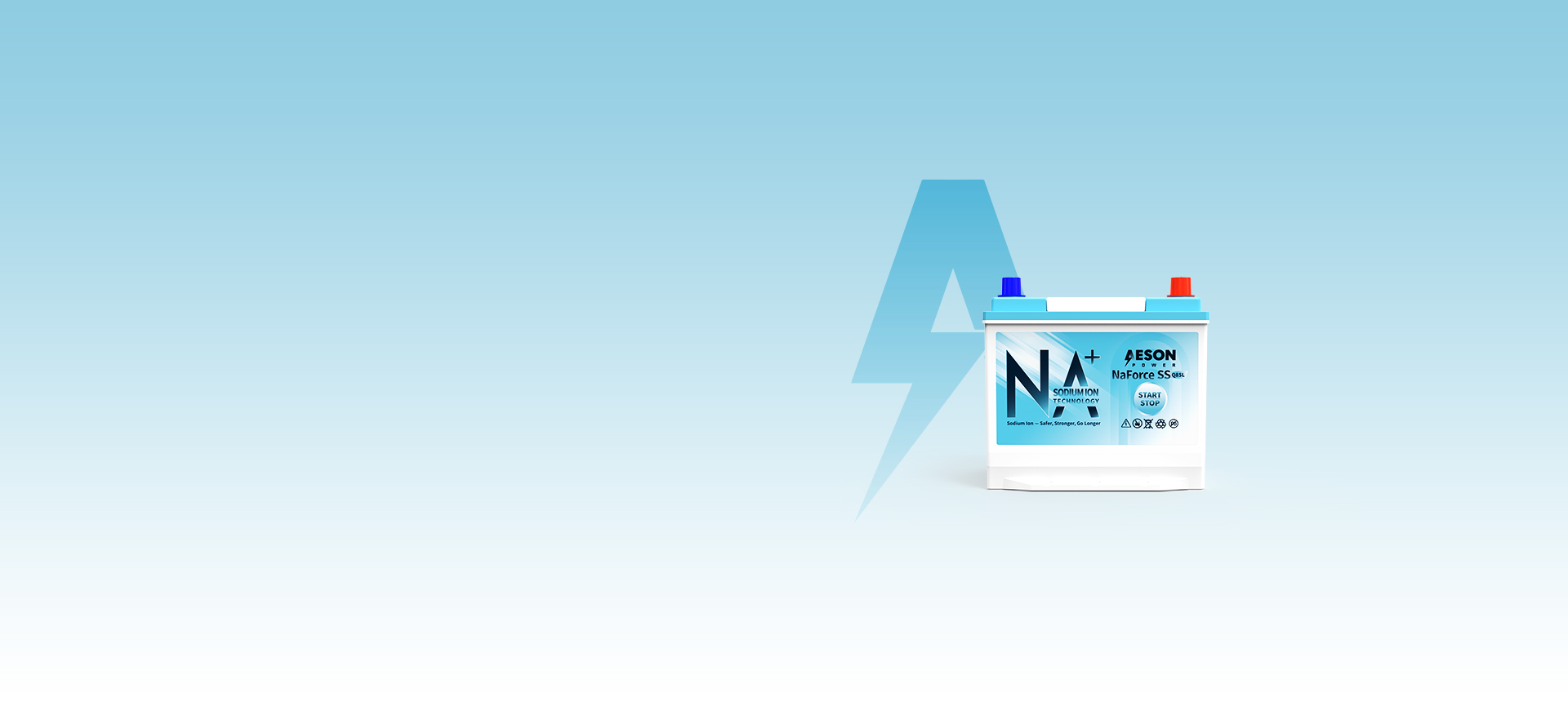
As automotive technology continues to evolve, battery selection has become an important consideration for vehicle manufacturers, fleet operators, and aftermarket suppliers. While lead-acid batteries have been widely used for decades and lithium-based solutions have gained attention, sodium-ion technology is becoming an option for automotive applications that require reliable starting power, safety, and long service life.
A sodium car battery uses sodium-ions as the main charge carrier instead of lithium-ions. This technology offers different performance characteristics and creates new possibilities for vehicle power systems. For buyers evaluating new battery solutions, understanding the technology, application scenarios, and supplier capabilities is essential.
- Sodium Car Batteries Use a Different Chemistry Designed for Automotive Needs
The first thing buyers should understand is that sodium car batteries are not simply replacements for traditional batteries with a different material. They are built around sodium-ion chemistry, which uses sodium-based materials in the battery structure.
Compared with conventional lead-acid batteries, sodium-ion batteries can provide advantages in weight reduction, charging efficiency, cycle performance, and environmental considerations. Sodium resources are widely available, which helps reduce dependence on limited raw materials used in some other battery technologies.
For automotive applications, battery performance is not only measured by capacity. Starting power, stability under different temperatures, charging acceptance, and durability during repeated use are equally important. This is especially true for vehicles equipped with start-stop systems, commercial vehicles, and vehicles operating in demanding environments.
Aeson Power develops sodium-ion automotive batteries designed for applications including passenger car start-stop systems, starting batteries, commercial vehicles, racing vehicles, and auxiliary power systems.
- Starting Performance Is a Key Factor When Selecting a Sodium-IonBattery
When choosing a sodium car battery, buyers should focus on starting performance rather than only looking at battery capacity.
A vehicle battery must deliver strong current output during engine ignition. This requirement becomes more challenging in modern vehicles because electronic systems continue to increase power demands. Start stop vehicles also require frequent engine restarts during urban driving conditions.
A suitable sodium-ion battery should provide stable high current output, efficient energy recovery, and reliable performance through repeated start cycles. Aeson Power’s automotive sodium-ion batteries are designed for start-stop applications, with models developed to replace common automotive battery specifications such as D series, H series, and L series applications.
For buyers, checking compatibility with existing vehicle systems is important. Factors such as voltage range, battery size, charging system requirements, and installation conditions should be evaluated before switching technologies.
- Thermal Stability and Safety Are Important Advantages
Temperature performance is another important consideration for automotive batteries. Vehicles may operate in hot climates, cold regions, or environments with frequent temperature changes. Battery chemistry directly affects how consistently the system performs under these conditions.
Sodium-ion technology has attracted attention because of its thermal stability and structural characteristics. For automotive buyers, this means a greater focus on reliable operation and safety during daily use.
Aeson Power highlights thermal stability and structural stability as key characteristics of its sodium-ion battery technology. Its products use NFPP cathode materials, which are designed for stable battery structures and automotive applications.
When evaluating a sodium ion battery company, buyers should consider not only product specifications but also testing standards, manufacturing experience, and quality control processes. These factors influence long-term reliability after installation.
- Battery Life and Total Ownership Value Matter More Than Initial Cost
A common concern when adopting new battery technology is whether the investment creates practical value over time. While the initial purchase price may be different from traditional batteries, buyers should evaluate the complete ownership cycle.
Battery replacement frequency, maintenance requirements, labor costs, and vehicle downtime all affect the overall value of a battery solution.
Sodium car batteries with longer cycle capability can help reduce replacement frequency in applications with frequent starting demands. For commercial vehicles and fleets, longer service intervals may improve operational efficiency by reducing maintenance interruptions.
Aeson Power states that its sodium-ion starting batteries are designed to offer extended service life compared with traditional lead-acid starting batteries, helping reduce long-term replacement costs.
For businesses managing multiple vehicles, evaluating lifetime performance rather than only upfront pricing can provide a clearer understanding of the benefits.
- Choosing the Right Sodium-IonBattery Company Is Essential
The development of sodium-ion technology is creating more options in the automotive battery market. However, buyers should carefully evaluate suppliers based on technical capability, product range, manufacturing experience, and support services.
A reliable sodium-ion battery company should be able to provide products suitable for different vehicle applications, including passenger cars, commercial vehicles, and specialized transportation needs. It should also offer clear technical information regarding battery chemistry, specifications, charging requirements, and compatibility.
Aeson Power focuses on sodium-ion battery solutions for automotive and energy storage applications, offering product series covering start-stop batteries, starting batteries, commercial applications, and auxiliary power solutions.
Before making a purchasing decision, buyers should review supplier certifications, testing data, warranty policies, and technical support capabilities. These elements help ensure the selected battery can meet real operating requirements.
Conclusion
Sodium car batteries are becoming an important option for automotive power systems that require reliable starting performance, safety, and long service life. Understanding battery chemistry, starting capability, temperature stability, ownership value, and supplier qualifications can help buyers make informed decisions.
As sodium-ion technology continues to develop, selecting an experienced sodium-ion battery company with automotive-focused solutions will be an important step for organizations looking to adopt advanced battery technology. Aeson Power provides sodium-ion battery solutions designed for modern vehicle applications, supporting the transition toward more efficient and durable automotive power systems.
