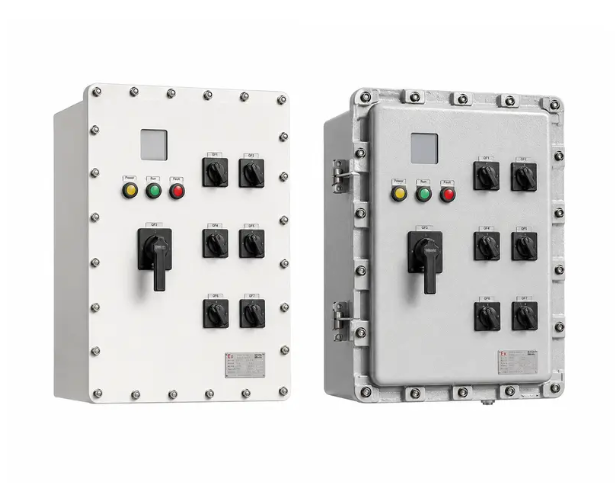
Selecting explosion proof LED lights for hazardous areas requires more than comparing brightness and purchase prices. Industrial buyers need to understand the substances present, the risk of an explosive atmosphere, and the working conditions around each installation point. These factors affect equipment selection, installation methods, and maintenance planning.
Begin With the Site Classification
Hazardous-area classification provides the starting point for lighting selection. Facilities handling flammable gases, vapors, or combustible dust must identify where explosive atmospheres may occur and how frequently they may be present. Engineers should consult the site classification drawings and relevant safety documents before specifying equipment.
Different zones have different equipment requirements. A fixture approved for one type of hazardous location may not be suitable for another. Buyers should confirm the classification, applicable standards, and permitted equipment markings with the project engineer. This step helps prevent unsuitable products from entering the procurement process.
Which Certification Details Matter
Certification documents provide essential information about a fixture’s permitted use. ATEX and IECEx are relevant frameworks in many international projects, although acceptance depends on local regulations and project specifications. Procurement teams should request certificates for the exact model under consideration.
Check the equipment marking, protection method, gas or dust group, temperature class, and ambient temperature limits. These details help determine whether a product matches the installation conditions. General statements about a manufacturer’s certifications are not sufficient evidence that every model has the same approval or protection rating.
Calculate the Required Light Output
Safe installation also depends on whether workers can see their tasks clearly. Walkways, loading areas, pump stations, inspection points, and maintenance platforms have different illumination needs. Engineers should consider the work performed, the required illuminance, and the risk of shadows around machinery.
Light output alone does not determine lighting quality. Beam angle, mounting height, fixture spacing, and glare affect the result. Lighting calculations can reveal poorly illuminated areas before installation begins. Equipment layouts should also account for pipes, cable trays, vessels, and other structures that may block light.
How Do Environmental Conditions Affect Selection
Industrial lighting may face high temperatures, moisture, dust, vibration, salt, or corrosive chemicals. Buyers should compare the fixture’s ingress protection rating and permitted operating temperature range with actual site conditions. Outdoor installations also require consideration of rainfall, seasonal temperature changes, and exposure to direct sunlight.
Material compatibility deserves attention in corrosive environments. Housing materials, protective coatings, fasteners, seals, and cable entries all influence long-term condition. Maintenance teams should consider cleaning methods and inspection access before approving a fixture. A suitable enclosure can still experience problems if its seals or cable connections are incompatible with the application.
Plan Installation Before Ordering
Installation details can affect both project cost and maintenance access. Review mounting height, bracket type, cable routing, available working space, and access equipment. Fixtures positioned above process equipment may require special access arrangements for inspection or replacement.
Electrical requirements should be confirmed at the same stage. Supply voltage, frequency, circuit protection, grounding, and control functions must match the project design. Buyers should also check whether emergency lighting or dimming functions are required. These functions should be verified against the relevant product documentation rather than assumed from the fixture’s general description.
Maintenance Needs Should Influence Procurement
Maintenance planning helps facility teams estimate the practical cost of operating a lighting system. Consider inspection intervals, replacement parts, cleaning access, and the procedures required before opening an enclosure. Workers must isolate equipment and follow the manufacturer’s instructions before carrying out maintenance.
Procurement teams should also request installation manuals, wiring diagrams, and spare-part information. Repairs in hazardous areas may require approved procedures and qualified personnel. A fixture that is easy to access and maintain can reduce unnecessary disruption, provided all servicing activities remain consistent with the equipment’s certification and site safety requirements.
Check the Complete Electrical Installation
Lighting fixtures operate within a wider electrical system. Junction boxes, cable glands, conduit accessories, and distribution equipment must match the installation method and hazardous-area requirements. Buyers reviewing explosion proof electrical fittings should verify the suitability of each component rather than relying on appearance or physical compatibility.
Connections and cable entries deserve particular attention. Incorrect components or installation methods may affect enclosure protection and the validity of the intended arrangement. Engineering teams should review drawings, component specifications, and installation instructions together. This approach helps identify mismatches before equipment reaches the site.
Compare Technical Documents Before Purchase
A structured comparison makes supplier quotations easier to evaluate. The technical schedule should include area classification, certification, input power, light output, beam distribution, ingress protection, ambient temperature limits, mounting options, and maintenance requirements. Warranty terms and spare-part availability can also influence lifecycle costs.
Request current datasheets and certificates for the proposed model. Descriptions of explosion proof LED lights should correspond to identifiable products with verifiable technical information. Questions about cable entries, mounting orientation, control functions, or emergency operation should be resolved before the purchase order is approved.
Check a Specific LED Fixture Before Approval
Technical schedules become more useful when buyers compare actual LED fixtures against project requirements. For example, Sunleem EEW offers the BZD130 Series Explosion-proof LED Lighting, with different rated power and mounting options. Engineers should compare these configurations with installation locations, lighting requirements, and available mounting structures.
The BZD130 series has an IP66 rating and published ATEX and IECEx certification information. Its protection markings identify specified gas and dust environments. However, buyers must verify the exact model, applicable certificate conditions, and permitted installation requirements before approval. Certification for a product series should not be treated as unrestricted approval for every configuration.
Lighting performance also requires attention. Project teams should request relevant photometric data, installation drawings, electrical connection details, and maintenance instructions. Comparing these documents with mounting height, required illumination, and service access helps determine whether the proposed fixture meets practical operating needs.
Final Checks Before LED Fixture Procurement
Selecting suitable explosion-proof LED lighting requires a combination of hazardous-area assessment, lighting calculations, environmental evaluation, and technical documentation. Engineers should confirm that each fixture meets both the protection requirements and the illumination needs of its intended location. Compatible explosion proof electrical fittings should also be included in the installation review.
Before placing an order, buyers should verify the proposed model, certification markings, electrical ratings, mounting configuration, and delivery requirements. When evaluating Sunleem EEW, project teams can request model-specific documents to compare its LED lighting products with their approved specifications. These checks provide a clearer basis for procurement, installation, and future maintenance.
