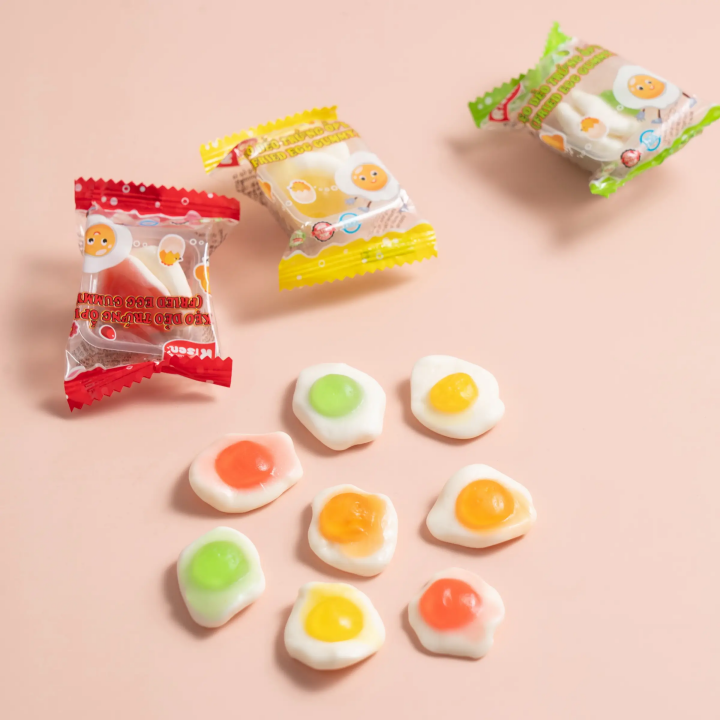
Modern retail environments frequently leave consumers feeling visually overstimulated by repetitive packaging. Products that successfully break established visual patterns often earn that critical first second of shopper attention. Consequently, food-shaped sweets, particularly intricate burger, hot dog, and pizza forms, have become reliable staples in novelty candy assortments across convenience stores, supermarkets, and digital platforms.
Much of this commercial success stems from the unique intersection of nostalgia, playful humor, and inherent shareability. A sweet fruit-flavored treat designed to look exactly like a savory fast-food meal is naturally conversation-worthy. This striking visual contrast provides a memorable snacking experience that generic, geometric confectionery shapes simply struggle to replicate in today’s visually driven market.
Novelty confectionery remains one of the few distinct retail segments where product shape matters just as much as the actual flavor profile. This dynamic creates valuable opportunities for any wholesale candy supplier seeking effective inventory differentiation. This article examines why these playful food shapes consistently outperform standard options and what buyers should consider during procurement.
The Visual Psychology Behind Food-Shaped Confectionery
Familiar food shapes frequently trigger instant recognition and a positive emotional response from everyday shoppers. Anthropological studies suggest humans are naturally hardwired to notice food-resembling objects in their immediate environment. Within a busy retail context, this psychological trait translates into longer shelf gaze times and higher physical pick-up rates compared to abstract or generic candy forms.
The concept of edible replicas also creates an engaging visual paradox known as the uncanny valley of snacks. Shapes that are recognizable but slightly absurd, like a miniature burger made entirely of sugar, generate mild amusement. This emotional engagement drives organic social sharing, a valuable marketing benefit that is considerably harder to achieve with conventional fruit shapes.
The appeal of these items often bridges multiple age demographics. While children are naturally drawn to the playful aesthetics and bright colors, older consumers frequently experience a sense of nostalgic comfort. This broad demographic appeal ensures that novelty shapes maintain steady sales velocity throughout the year, rather than relying solely on seasonal holiday surges.
How a Burger Gummy Shaped Candy Drives Impulse Purchases
Retail observations suggest that unusual or oversized shapes often outperform standard items within high-traffic impulse-buy zones. Consumers reportedly make a significant majority of their overall confectionery purchase decisions while standing in-store. A well-designed burger gummy shaped candy sitting near the checkout register commands attention precisely because it playfully subverts normal expectations and offers immediate visual entertainment.
HAPI produces a highly detailed burger gummy shaped candy across multiple product specifications, ranging from standard ten-gram individual packs to substantial ninety-gram giant formats. Utilizing sophisticated multi-layer molding, the factory accurately replicates bun, patty, and lettuce details. This manufacturing precision makes the product highly photographable and instantly recognizable, even when placed within crowded small-format retail display boxes.
Social Media and the Amplification of Playful Candy Design
Digital platforms like TikTok and Instagram have turned candy unboxing and taste-testing into high-engagement content categories. Food-shaped sweets are seemingly purpose-built for this digital ecosystem because their visual punch translates directly to screen appeal without requiring heavy production budgets. User-generated content effectively provides valuable organic exposure for both the manufacturing brand and the stocking retail outlet.
Smart commercial retailers frequently treat novelty sweets as specialized traffic-driving products. These unique items are specifically designed to draw younger consumer demographics into physical aisles or digital storefronts. Once attracted by a visually striking product, shoppers often add higher-margin conventional items to their retail baskets, which helps improve overall category profitability for the business.
Furthermore, engaging visual designs encourage peer-to-peer recommendation. When a consumer shares a video featuring a giant edible hot dog or a multi-layered sugar burger, they are essentially endorsing the product to their network. This type of authentic, user-generated endorsement carries significant weight and often drives immediate online searches and subsequent physical store visits.
The Manufacturing Complexity Behind Realistic Food Shapes
Creating convincing food-shaped sweets is technically demanding for any industrial facility. Multi-color layering requires highly precise depositing and cooling phases to prevent color bleed between the bun and patty layers. Three-dimensional starch molding demands tighter operational tolerances than standard bear shapes, especially when incorporating natural colorants like beetroot or turmeric that react differently under sustained heat.
HAPI operates automated starch molding production lines, supporting complex three-dimensional confectionery structures and multi-layer candy formats. The facility’s extensive experience with prominent licensed product lines demonstrates its precision in shape fidelity. Backed by a dedicated research team of five experts, HAPI moves from concept sketches to production molds with notable industrial efficiency.
Building a Resilient Assortment with the Right Wholesale Candy Supplier
For retail distributors, novelty confections represent a high-reward category that requires careful curation. Sustained success largely depends on finding a wholesale candy supplier that combines creative agility with operational reliability. Key evaluation criteria typically include custom mold development speed, flexible volume requirements for seasonal testing, consistent batch quality, and robust, internationally recognized food safety certifications.
HAPI offers highly flexible private-label services, accommodating minimum order quantities starting from five hundred cartons. Production lead times generally range from seven to ten days for ready-made formats and fifteen to twenty-five days for custom orders. The Bac Ninh manufacturing facility currently holds reputable FSSC 22000 and ISO 22000 certifications and has passed comprehensive SEDEX audits.
For commercial buyers looking to differentiate their aisles through a detailed burger gummy shaped candy or other intricate novelty forms, securing a capable production partner is vital. This specific combination of creative manufacturing capability, certified food safety protocols, and scalable output capacity provides a highly practical foundation for achieving long-term retail category growth.
