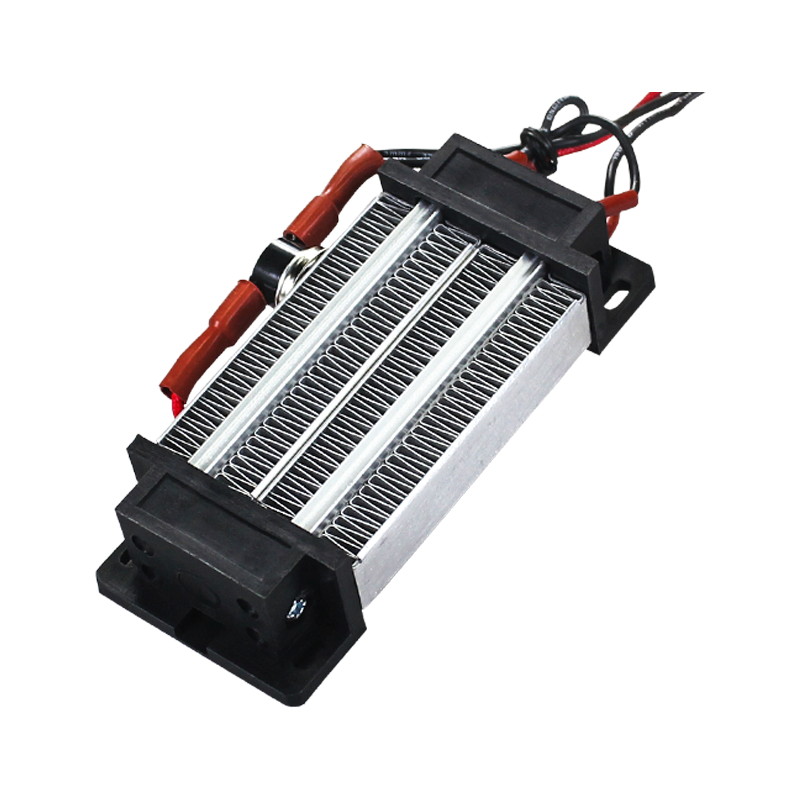
Selecting a heating component is rarely an isolated purchasing decision for an OEM engineering team. The heater must work within electrical, mechanical, thermal, and environmental requirements while fitting the equipment’s overall design. For that reason, technical guidance from an experienced supplier can become an important part of the development process. A capable supplier can help buyers move from initial requirements to prototypes, testing, production, and long-term supply with fewer integration problems.
Start With the Application, Not Just the Heater Rating
A heating project should begin with the operating conditions rather than a simple wattage target. Engineers need to consider the available voltage, required heating output, installation space, airflow, ambient temperature, operating cycle, and surrounding materials.
These factors determine whether a particular heater architecture is appropriate. A component designed for forced-air heating, for example, may require different integration considerations from a heater intended to warm an enclosed mechanical cavity.
A technical supplier can review these requirements before a purchase order is placed. This early discussion can help identify potential mismatches and reduce the risk of discovering them during prototype testing.
Match Electrical Parameters With System Requirements
Voltage and power are fundamental specifications, but they should be evaluated as part of the complete electrical system. The engineering team needs to understand how the heater will interact with the available power supply and control strategy.
PTC technology offers an important characteristic for equipment designers: its electrical resistance changes as temperature rises. This allows PTC heating systems to provide a degree of self-regulation, helping maintain stable heating behavior without relying entirely on conventional resistance-wire control.
However, self-regulation does not eliminate the need for proper system design. Power supply selection, wiring, thermal conditions, airflow, and installation all influence actual performance. Supplier guidance can therefore be valuable when translating a target heating output into a practical configuration.
Address Mechanical Integration Early
Mechanical compatibility can be just as important as electrical performance. The available installation area may be limited, while mounting points, clearances, airflow paths, and adjacent components can restrict the heater’s dimensions.
An engineering-focused supplier should be able to work from drawings or defined dimensions when developing a suitable configuration. This is particularly useful for OEM equipment because the heating component may need to fit into an existing enclosure rather than being installed in an open environment.
Early mechanical review can also help prevent unnecessary redesign. Instead of selecting a standard heater first and modifying the equipment afterward, buyers can evaluate the heater and equipment interface together.
Consider Insulation and Environmental Conditions
Electrical insulation becomes especially important when the heater is installed near conductive structures or components that require protection from direct electrical contact. The surrounding environment should also be considered, including humidity, temperature variation, dust, airflow, and continuous operating requirements.
For industrial equipment, the heating system may operate repeatedly or for extended periods. Long-term reliability therefore depends not only on the heating element itself but also on insulation, connections, housing, assembly quality, and the conditions under which the component is used.
A qualified insulated PTC heater supplier can help engineers identify which environmental factors should be included in product specifications and validation testing. This makes the sourcing process more engineering-driven and less dependent on trial and error.
Use Prototyping to Validate the Complete System
A heater that meets a specification on paper may still behave differently once integrated into real equipment. Prototype testing is therefore an important stage between design approval and volume production.
Engineers can evaluate heat-up time, temperature distribution, power consumption, surface temperature, airflow effects, and interaction with nearby components. Testing under representative operating conditions can reveal issues that laboratory measurements alone may not show.
A supplier that supports sampling can also shorten the transition between concept and validation. For example, PTC heater manufacturers commonly structure customization around requirement confirmation, design, quotation, sample production, testing, and subsequent mass production. This staged approach gives OEM teams opportunities to refine the design before committing to larger quantities.
Connect Quality Control With Production
Engineering integration does not end when the prototype passes testing. The selected supplier must also be capable of maintaining consistent production quality.
PTC heater manufacturing can involve multiple stages, including ceramic element screening and pairing, wire processing, assembly, compression molding, surface-temperature testing, and electrical performance testing. Each stage can influence the consistency of the finished component.
For business buyers, understanding the supplier’s manufacturing process can be useful during supplier qualification. Documentation, inspection procedures, testing methods, and production controls should all be considered alongside the quoted price.
Build a Technical Communication Loop
Communication is often overlooked during component sourcing, yet it can strongly influence project efficiency. Engineering teams may need to exchange drawings, clarify tolerances, discuss operating conditions, review samples, and make changes after testing.
A supplier with engineering resources can create a more direct communication loop. Instead of treating every question as a purchasing issue, technical requirements can be discussed with people familiar with the product and manufacturing process.
This approach is particularly valuable for customized projects. It allows design feedback to be incorporated earlier and can reduce repeated clarification between the OEM, purchasing team, and component manufacturer.
From Engineering Requirements to a Production-Ready Heating Solution
For OEM buyers looking for an insulated PTC heater supplier, PTCYIDU offers a direct manufacturing option through Shanghai Yidu Electronics Co., Ltd. The company states that it was founded in 2002 and develops and manufactures PTC heating elements, air heaters, aluminum shell heaters, flexible film heaters, and fan heater modules for OEM customers. Its stated customization capabilities include voltage, wattage, dimensions, and mounting requirements.
The specified insulated PTC heater is 50.5 mm wide and uses a ceramic element with an aluminum shell. The provided configuration supports 12V, 24V, 72V, 110V, and 220V, with power options from 150W to 2000W. The supplied product information also specifies a fully insulated surface, high-temperature silicone wires, and built-in overheat protection, with applications including material dryers, vehicle heating components, gardening temperature control, and mechanical cavity heating. PTCYIDU‘s published product range confirms multiple 50.5 mm-wide insulated heater configurations, including 150W, 300W, 1500W, and 2000W models.
For professional buyers, the real value of supplier support lies in connecting these specifications with the complete equipment design. A supplier that can contribute to requirement review, prototyping, testing, customization, and production quality gives engineering teams a more integrated path from concept to deployment. That makes technical collaboration an important criterion when evaluating an insulated heating solution, rather than treating the heater as simply another purchased component.
