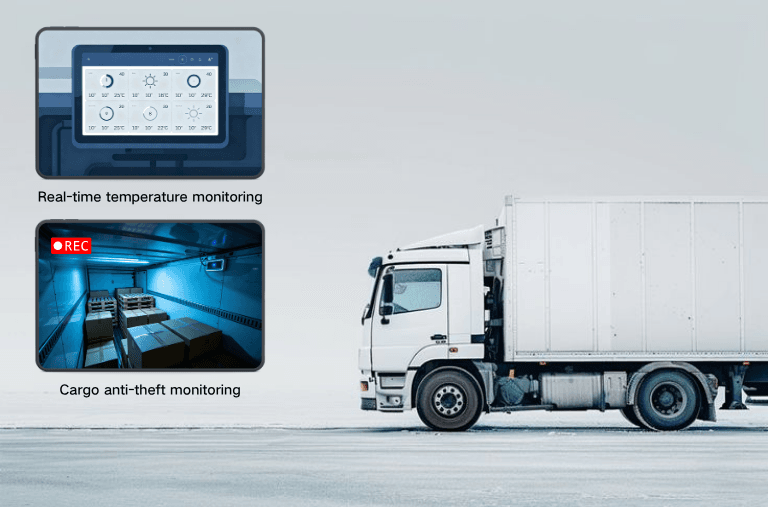
Cold-chain transport requires more than moving refrigerated vehicles between two points. Operators also need records showing where a vehicle travelled, how cargo conditions changed, and whether drivers followed planned routes and procedures. Refrigerated vehicle tracking connects location data with temperature and humidity information.
For fleet managers, these records can support compliance checks and shipment reviews. They also help teams investigate delays, temperature deviations, unusual stops, and other events that may affect sensitive cargo during transportation.
Why Tracking Matters in Refrigerated Transport
Temperature-sensitive goods can be affected by delays, route changes, door openings, refrigeration faults, or poor driving practices. Fleet managers therefore need more than basic GPS location. They need to connect vehicle movement with cargo conditions and driver activity. This approach supports cold chain monitoring by turning separate events into a traceable trip record.
For logistics, food distribution, pharmaceutical transport, and other temperature-controlled operations, time-stamped data can support internal audits and customer reporting. It can also help teams identify when a temperature deviation started and what happened before it.
A cold chain monitoring system can make this review more structured. Vehicle location, route progress, temperature readings, and operational data can be examined together rather than treated as unrelated records. This gives managers better context when reviewing a shipment exception.
Temperature and Humidity Records Support Compliance
Temperature and humidity tracking is central to refrigerated vehicle operations. Fleet teams need to know whether cargo conditions stayed within the required range during loading, transit, stops, and delivery. Continuous records are more useful than occasional manual checks because they show when conditions changed and how long a deviation continued.
This is where cold chain monitoring becomes practical for compliance work. Instead of relying only on driver notes, managers can compare environmental readings with GPS location and trip time. If a temperature change occurs near a long stop or route interruption, the event can be reviewed with more context.
The same information can support customer communication. Instead of giving a general statement about controlled transport conditions, operators can review a cold chain monitoring system record that links trip progress with environmental readings. This makes discussions with customers, auditors, and internal quality teams more specific.
Vehicle Tracking Adds Operational Context
GPS tracking gives managers visibility into vehicle position, route progress, stop duration, and arrival patterns. In refrigerated transport, this information has extra value because delays may affect cargo condition and delivery windows. Route visibility also helps dispatchers notice unusually long stops or departures from planned routes.
Cold-chain Transportation from BSJ Technology combines GPS tracking with temperature-humidity tracking, ADAS safety alerts, driver behavior monitoring, cargo protection, and fuel anti-theft functions. These features connect several parts of refrigerated fleet operations instead of treating cargo condition and vehicle movement as separate issues.
For fleet owners and system integrators, this can reduce the need to review isolated data sources. A cold chain monitoring system becomes more useful when vehicle location, cargo environment, driver activity, and abnormal events are considered within the same operational process.
Driver Behavior Can Affect Delivery Conditions
Cold-chain compliance is often discussed as a temperature issue, but driver behavior can also influence delivery performance. Harsh braking, speeding, long idling, unplanned stops, and route deviations may affect delivery timing, fuel use, and cargo handling. Monitoring these events gives managers another source of information when investigating transport problems.
ADAS alerts can also support safer vehicle operation in long-haul, urban, and demanding working environments. For refrigerated fleets, driving safety is closely connected with schedule control. Collisions, unexpected stops, or unsuitable route decisions can create delays that expose temperature-sensitive cargo to additional operational risk.
When driver information is reviewed together with cold chain monitoring records, managers can distinguish between refrigeration problems and transport-related issues. Corrective action can then focus on driver coaching, route planning, equipment inspection, or cargo handling according to the actual cause.
Cargo and Fuel Security Matter as Well
Cargo theft and fuel loss introduce further risks for refrigerated fleets. Unauthorized cargo access may affect both shipment security and internal temperature. Fuel loss can interrupt vehicle operation and increase unplanned downtime. Tracking abnormal events gives managers more information when reviewing unusual trip conditions.
For companies building broader fleet platforms, integration also matters. BSJ Technology provides AI video telematics and Fleet IoT products for fleet owners, distributors, system integrators, and transport operators. They support third-party software integration with platforms such as Wialon and GpsGate, helping businesses connect additional tracking, video, or sensor information with existing fleet management environments.
This is relevant for operators already using established fleet software. Instead of replacing the entire management environment, they can evaluate how additional vehicle and cargo data fit into current workflows, reporting processes, and compliance procedures.
How Tracking Data Supports Compliance Reviews
A practical refrigerated transport review should answer several connected questions: where the vehicle travelled, what temperature and humidity conditions were recorded, how the vehicle was operated, and whether abnormal events occurred. Fleet procedures should also define who responds to alerts, how deviations are documented, and how trip records are retained.
Refrigerated vehicle tracking is therefore more than a location tool. It connects movement, cargo conditions, driver activity, and security events into a clearer transport record. For B2B cold-chain operators, these records can support audits, customer communication, incident analysis, and routine fleet management while keeping compliance decisions tied to actual shipment conditions.
