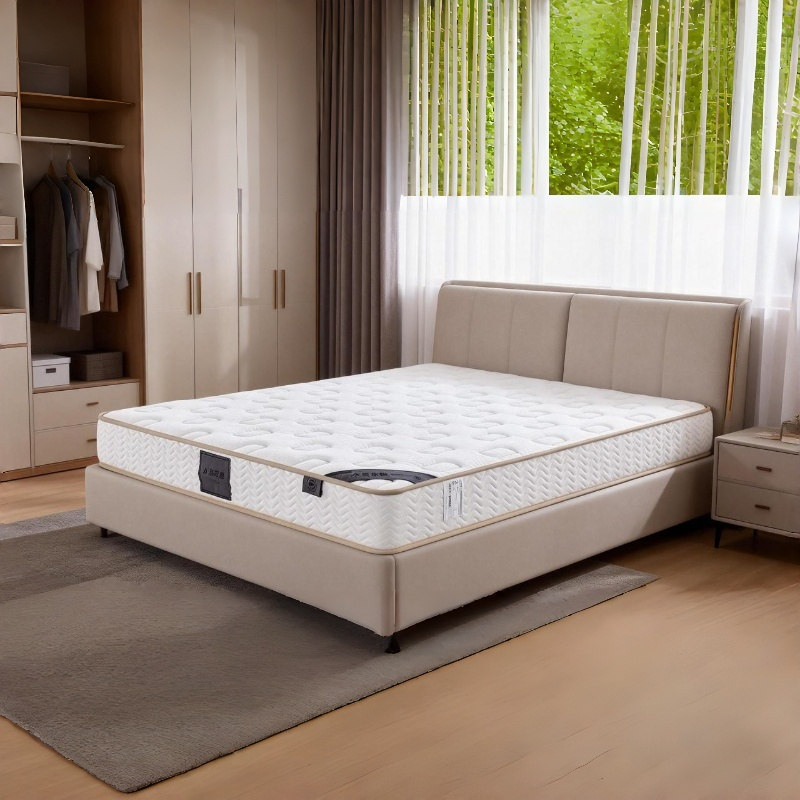
A hotel can furnish two rooms with the same bed width yet still need different mattress decisions. Guest profile, room layout, expected use, and housekeeping routines change what the specification must accomplish. Commercial accommodation introduces further variation in bed platforms and replacement schedules. Customization is useful when those conditions cannot be captured by a single off-the-shelf model, but its value depends on translating the project into measurements and repeatable product requirements.
The aim is not to create a different mattress for every room. It is to identify which differences matter, group rooms with shared needs, and document a suitable construction for each group. That approach keeps design decisions connected to procurement, installation, and later replacement.
Start With the Space and the People Using It
Room dimensions are an operational constraint, not a decorative preference. A mattress must fit its bed frame, leave room for making the bed, and work with the intended height of the finished sleeping surface. Guest rooms, apartments, and other commercial spaces may use different platforms or layouts. The project team needs measurements from actual furniture and a record of any non-standard sizes before requesting a product design.
Comfort requirements are less visible than dimensions but just as important. A property serving short stays may seek a broadly acceptable feel, whereas a specialized residential project might choose a narrower preference. Firmness, surface material, and edge behavior should be discussed as specifications that can be sampled. No factory can infer a useful target from the word “comfortable” alone.
This first stage distinguishes custom mattress manufacturers by their ability to interpret a project brief. A proposal should show which needs are common across rooms and which require a separate version. The document becomes a reference for sampling, pricing, and eventual inspection, preventing a room-by-room conversation from producing an unmanageable assortment.
Turn Measurements Into a Production Specification
A size request needs more detail than a nominal width and length. Bed-frame opening, mattress height, permitted variation, and fabric finish may all affect the installation. A change that seems small on paper can alter the fit of bedding or the look of a room. The specification should state how dimensions will be measured and which version is approved for production.
Custom mattress manufacturers can use a room schedule to distinguish shared specifications from exceptions. A hotel might group most guest rooms under one approved dimension and list suites separately. The production benefit is not simply fewer models; it is fewer chances for a carton to be assigned to the wrong room. Every exception needs a traceable identifier.
Suisin Furniture’s customization page says standard product sizes are available and that different sizes can be made to exact customer requirements. The company accepts existing furniture designs with a customer’s logo as well as styles and designs supplied by customers. For a hospitality or commercial project, those stated options support a discussion about where a standard mattress is sufficient and where a different dimension or appearance is justified.
The development process still requires a shared record. Drawings or measurements must match the approved sample, while any later size change should be linked to the affected room group. A custom mattress factory may have the equipment to produce non-standard dimensions, but avoiding installation mistakes depends on the accuracy of the project data sent to it.
Keep Repetition and Inspection in View
Custom work must be repeatable across more than a demonstration sample. A project can require dozens or hundreds of mattresses that look and feel consistent within each approved group. Production instructions need to carry the selected dimensions and materials through manufacturing. Inspection then compares finished units with the same specification that informed the sample and quotation.
Suisin Furniture reports more than 50 experienced design engineers, more than 300 patents, three production bases, standardized lines including automated lines, and multiple rounds of quality inspection. These resources suggest points for a project team to investigate, such as how a non-standard size is communicated to the line and where dimensional checks occur. The published figures do not by themselves confirm performance on a particular order.
Commercial buyers also need a route for replacement. A later request should identify the original approved version, not merely a room name or a familiar model label. Custom mattress manufacturers are more useful to a project when they can trace that version through ordering and production records. The benefit is continuity: a replacement can be evaluated against an established room standard.
Match the Solution to the Project
Customization creates value where it resolves a measured fit, a defined comfort target, or an operational constraint. It becomes costly confusion when every room receives a unique specification without a clear reason. Grouping use cases, approving samples, and recording revisions gives the project a practical balance between choice and consistency.
For hotels, apartments, and other commercial settings, a custom mattress factory should define the necessary variation and verify that production can repeat it. The strongest support appears when a room schedule can guide a later replacement as accurately as it guided the original room installation.
