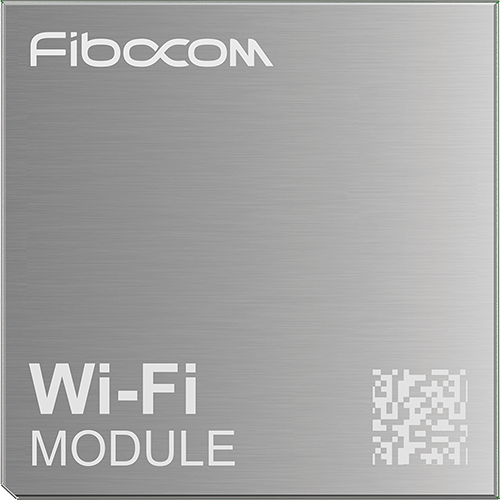
The automotive industry is undergoing a significant transformation, shifting from traditional vehicles to connected cars that rely heavily on technology. Central to this evolution is the use of cellular modules, which serve as the backbone of vehicle connectivity. These wireless communication modules not only enhance the functionality of vehicles but also create new opportunities for businesses within the connected vehicle ecosystem. Understanding their critical role is essential for stakeholders looking to thrive in this rapidly advancing market.
Enabling Real-Time Data Exchange
Cellular modules play a pivotal role in enabling real-time data exchange between vehicles and external systems. This connectivity allows vehicles to share information such as traffic conditions, weather updates, and road hazards with other vehicles and infrastructure. By integrating wireless communication modules into their systems, automakers can enhance safety features, improve navigation, and provide drivers with timely information that enhances the overall driving experience.
Moreover, the ability to connect vehicles to the cloud via cellular modules opens up avenues for advanced analytics and machine learning applications. Manufacturers can gather and analyze vast amounts of data collected from vehicles, leading to insights that can drive improvements in design, maintenance, and service offerings. As a result, cellular modules are not just components; they are essential enablers of innovation and efficiency in the connected vehicle space.
Supporting Diverse Applications
Connected vehicles employ various applications that improve functionality, safety, and user experience—ranging from infotainment systems to advanced driver-assistance systems (ADAS). Cellular modules are designed to support these diverse applications by providing flexible compatibility with different cellular communication technologies. Fibocom’s range of wireless communication modules includes options that accommodate multiple regions and network standards while maintaining consistent pin configurations and module sizes.
This flexibility ensures that automotive manufacturers can deploy a single design across multiple markets without having to redesign their components. It accelerates global product deployment, allowing companies to bring connected vehicles to market faster and with greater reliability. Consequently, leveraging cellular modules streamlines the development process and reduces the time and resources needed for project onboarding.
Enhancing Security and Reliability
As vehicles become increasingly connected, ensuring the security and reliability of communications is paramount. Cellular modules offer robust security features that protect sensitive data from unauthorized access and cyber threats. With built-in encryption and authentication mechanisms, these wireless communication modules safeguard the integrity of vehicle communications—essential in a landscape where data breaches can have devastating consequences.
The reliability of cellular modules is equally crucial. In a connected vehicle ecosystem, consistent performance can make the difference between a safe driving experience and a dangerous one. Quality cellular modules undergo rigorous testing to ensure they can withstand varying environmental conditions, ensuring uninterrupted connectivity even in challenging scenarios.
Driving Innovation in Connected Vehicles
Cellular modules are indispensable for the successful implementation of connected vehicle ecosystems. They enable real-time data exchange, support diverse applications, and enhance security and reliability in communications. Fibocom recognizes the vital role that its wireless communication modules play in this transformative industry. The company’s commitment to delivering cutting-edge solutions empowers automotive manufacturers to innovate and excel in the connected vehicle market. Together, Fibocom and its partners are building a future where connected vehicles redefine transportation and enrich the driving experience.
