A busy professional kitchen depends on timing. Ingredients may already be prepared, but service can still slow down when several dishes compete for the same cooking station. Long walking routes and poorly placed holding areas can create similar problems. When a commercial induction cooker is included in the kitchen, its location and assigned task should therefore fit the sequence from preparation to cooking and plating.
Workflow optimization starts with understanding how food actually moves through the kitchen. Better Induction works with overseas household and professional kitchen equipment brands through ODM and OEM projects. In professional settings, however, equipment is only one part of the workflow. Station layout, task allocation, temperature control, holding arrangements, and peak-hour planning all affect daily service.
The Menu Determines the Workflow
Before changing the kitchen layout, managers can examine several frequently ordered dishes and trace each preparation step. Where are ingredients cut? Which station cooks them? Where does the finished food wait before plating? These questions reveal unnecessary movement more clearly than looking at the equipment list alone.
Tasks that often occur together should be positioned within a practical working distance. For example, ingredients that move directly from preparation to heating should not require staff to cross several other work areas. The same principle applies to cookware, seasonings, and utensils used repeatedly during service.
Menu analysis can also reveal shared equipment bottlenecks. If several popular dishes require the same heating station at similar times, cooks may spend more time waiting than cooking. Managers can then adjust preparation timing, redistribute certain tasks, or reconsider how cooking positions are assigned.
Clear Station Roles Reduce Unnecessary Movement
Each station should have a defined purpose. One area may handle preparation, another active cooking, while a separate position deals with warming or final plating. Clear roles make it easier for staff to know where ingredients and finished dishes should move next.
Equipment placement should follow these roles. Appliances used frequently belong close to the related preparation area. A unit intended mainly for warming may work better near the plating area instead of occupying space on the primary cooking line.
When commercial induction cooking equipment is planned this way, individual units can be assigned according to actual kitchen tasks. This avoids treating every heating appliance as interchangeable. Cooking intensity, control method, available counter space, cookware movement, and the next step after heating should all be considered.
Temperature Needs Change Between Kitchen Tasks
Professional cooking does not require the same heat level throughout the entire process. Some foods need active heating, while sauces, soups, side dishes, or prepared components may only need to remain warm for a short period before service.
Using a main cooking position for holding food can create a bottleneck. Once cooking is finished, suitable dishes can be moved to a designated warming area. The original cooking position then becomes available for the next order instead of remaining occupied.
This distinction is also useful when kitchens select equipment for different stations. Active cooking areas may prioritize fast adjustments and cooking capacity. Holding areas have a different purpose. Their controls should allow staff to manage temperature without turning the station into another complicated cooking process.
A Dedicated Warming Area Can Improve Handoffs
The period between cooking and plating is easy to overlook. During busy service, one part of an order may finish before another. If the completed component stays at the active cooking station, it can interfere with incoming orders and occupy useful workspace.
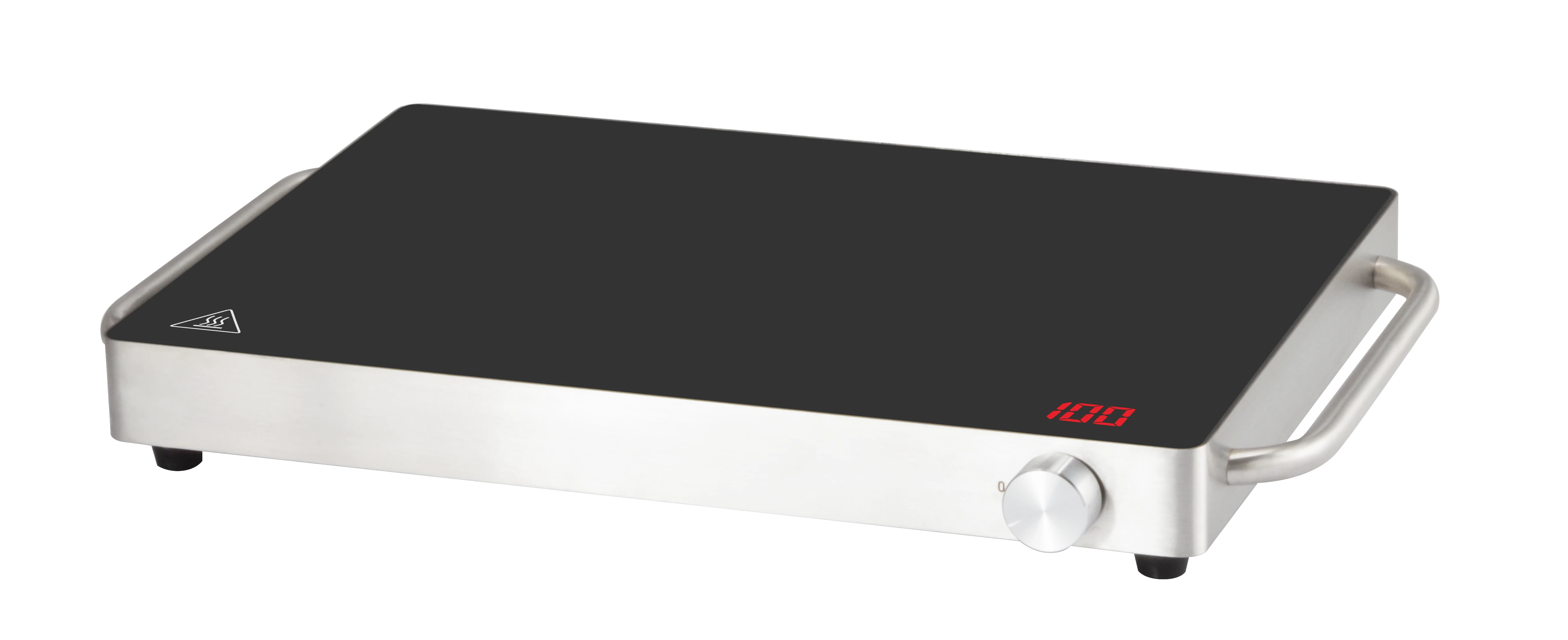
Dedicated warming equipment can help separate these stages. The BF100B from Better Induction, for example, is especially intended for keeping warm. It uses knob temperature adjustment and has a temperature display at the right corner of the glass plate. Electronic overheating protection is also included.
Its stainless steel body has two stainless steel handles, while hob options include glass, Schott Ceran, and Eurokera France glass. Rather than viewing these specifications separately, kitchen planners can consider where such a warming unit fits into food movement. Placement close to plating can shorten the transfer between holding and service without adding another stop to the main cooking line.
Peak Hours Reveal Workflow Bottlenecks
A kitchen layout may appear practical during preparation but behave differently when orders arrive quickly. Peak service is therefore a useful time to observe workflow. Managers can watch where staff wait, where paths cross, and which cooking positions become overloaded.
Repeated walking is one useful warning sign. If cooks regularly move across the kitchen for the same utensil, ingredient, or appliance, changing its location may save more time than adding another piece of equipment.
Another sign is food waiting at active cooking stations. This may indicate that the transition between cooking, holding, and plating is poorly defined. Adjusting those stages can release cooking space and make the sequence easier for staff to follow.
Equipment Capacity Should Follow Order Patterns
Capacity planning should reflect when dishes are ordered, not just how many meals the kitchen prepares in one day. Two restaurants with similar daily order volumes may need different equipment arrangements if their peak periods and menus differ.
Managers can review which menu items commonly arrive together and identify the cooking processes they share. If several dishes repeatedly compete for one appliance, preparation schedules can sometimes be adjusted. In other cases, another cooking position may be more practical.
The same reasoning applies when selecting a commercial induction cooker. Buyers can consider the station workload, cookware size, required control method, available installation space, and expected cooking sequence. These factors give more useful information than selecting equipment only according to general capacity.
Workflow Reviews Should Continue After Installation
Kitchen routines change over time. New dishes may introduce different preparation steps, while changes in staffing or service format can alter how workstations are used. A layout that worked well when the kitchen opened may therefore need small adjustments later.
Short workflow reviews can focus on practical questions. Staff can identify where they repeatedly wait, turn back, cross another station, or temporarily place finished food. These observations provide a direct basis for rearranging utensils, ingredients, work surfaces, or commercial induction cooking equipment.
An efficient cooking workflow comes from connecting each stage rather than improving one station in isolation. Preparation should flow naturally into cooking, followed by holding when necessary, then plating and service. When equipment placement and station responsibilities follow this sequence, professional kitchens can use their available space more effectively and handle busy periods with fewer unnecessary movements.
