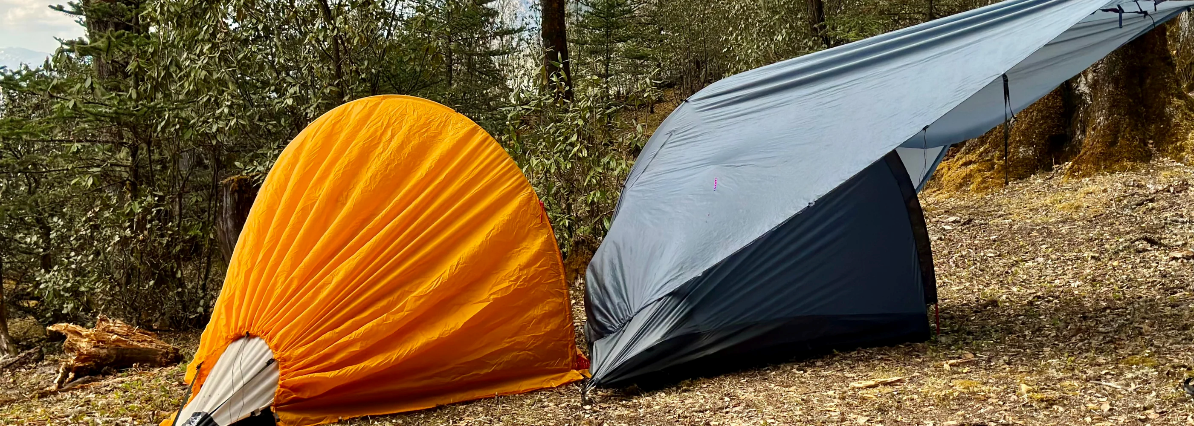
Fieldwork often takes researchers, survey teams, photographers, and outdoor professionals into environments where equipment must remain light without compromising basic safety. Choosing hiking tent ultralight equipment is only the first step. Safe deployment also depends on site selection, structural inspection, fire awareness, weather preparation, ventilation, and compliance with relevant tent standards.
Understand the Applicable Tent Standards
Before deploying a lightweight shelter in the field, organizations should identify the standards relevant to the destination and intended use. ISO 5912:2020 is the current international standard for camping tents and specifies requirements related to safety, performance, and fitness for use. ISO confirms that the 2020 edition remains current after its 2025 review.
For teams operating in the United States, flammability requirements should receive particular attention. The U.S. Consumer Product Safety Commission identifies ASTM F3431-21 as the voluntary standard for recreational camping tent flammability and associated warning labels. CPSC also notes that manufacturers and importers should consider applicable flammability requirements for camping products.
Standards do not replace field procedures, but they provide a useful baseline for evaluating whether a shelter has been designed and tested with foreseeable hazards in mind.
Inspect the Tent Before Deployment
A field team should inspect every tent before putting it into service, especially when equipment has been transported over long distances or stored for an extended period.
For an ultralight 1p tent, inspection should include the fabric, seams, zippers, poles, clips, guylines, stakes, and floor. Lightweight construction often relies on carefully balanced materials, so small tears or damaged connection points should not be ignored.
The inspection should also confirm that all components are present. Missing stakes or damaged poles can affect stability, particularly in exposed terrain. Teams can create a simple pre-deployment checklist and record problems before leaving the base location.
Regular inspection is especially important for organizations using tents repeatedly across multiple field assignments. A tent that appears acceptable after one trip may develop wear through repeated setup and packing.
Select a Suitable Campsite
A correctly designed tent can still become unsafe if it is installed in the wrong location. Site selection should therefore be treated as part of deployment planning.
Teams should avoid areas with obvious risks such as unstable slopes, loose rocks, dead branches, flood channels, or locations exposed to sudden water runoff. The surrounding terrain should provide enough room for the tent to be pitched correctly and anchored securely.
Wind direction also deserves attention. In exposed areas, the tent should be positioned and oriented according to its structural design rather than simply placed wherever the ground looks convenient.
For fieldwork near rivers, coastlines, or mountainous terrain, local weather and terrain changes should be considered before establishing an overnight site. A lightweight tent is designed for mobility, but mobility should not lead to careless campsite selection.
Secure the Shelter Correctly
Anchoring is one of the most important deployment steps. Stakes should be appropriate for the soil, while guylines should be attached and tensioned according to the manufacturer’s instructions.
An ultralight shelter may use fewer structural components than a heavier expedition tent, making correct setup particularly important. Poorly tensioned lines can allow the structure to move excessively in wind, while incorrectly placed stakes may pull out under changing loads.
After the first setup, teams should inspect the shelter from multiple sides. The structure should appear properly tensioned without excessive fabric sagging or distorted poles. If weather conditions deteriorate, guylines and anchors should be checked again rather than assuming the initial installation remains secure.
Manage Wind and Weather Risks
Weather can change quickly during fieldwork, so deployment plans should include a method for monitoring conditions. A lightweight tent should not automatically be treated as suitable for every environment simply because it is marketed for outdoor use.
Researchers working in exposed terrain should assess expected wind, precipitation, temperature, and visibility. If conditions exceed the tent’s intended operating range, teams should consider moving to a safer location or using a more appropriate shelter.
THECATAL’s lightweight hiking collection emphasizes low pack weight while also describing its tents as designed for stability, quick setup, and changing outdoor conditions. These features can support field mobility, but actual deployment should always match the product’s intended use and the conditions encountered.
Pay Attention to Fire Safety
Fire safety is particularly important when using fabric shelters. Teams should establish clear rules regarding stoves, burners, lanterns, heaters, and other ignition sources.
ASTM F3431-21 addresses flammability of materials used in recreational camping tents and includes warning-label requirements for associated hazards. CPSC also identifies flammability as a relevant consideration for outdoor tents.
Field personnel should therefore keep open flames away from tent fabric unless the shelter and equipment are specifically designed for a compatible application. Heating devices should be used only according to manufacturer instructions, with appropriate ventilation and clearances.
A lightweight tent should never be assumed to be fireproof simply because it meets a particular performance standard.
Maintain Adequate Ventilation
Ventilation is another important safety consideration. Even a single occupant produces moisture through breathing, and condensation can accumulate when airflow is restricted.
Vents should remain usable, and teams should avoid completely sealing the shelter unless the product instructions specifically require a particular configuration. When weather conditions permit, controlled airflow can help reduce condensation and improve interior comfort.
Field teams should also avoid using combustion-based appliances inside enclosed spaces unless the shelter and appliance are specifically designed for that use and all relevant safety instructions are followed.
Create a Field Deployment Procedure
Organizations can reduce mistakes by turning safe tent setup into a repeatable procedure. A basic process can include equipment inspection, campsite assessment, structural setup, anchoring, weather review, ventilation checks, and final safety inspection.
This approach is particularly useful when multiple employees rotate through field assignments. Consistent procedures reduce reliance on individual experience and make it easier to identify problems before they become operational risks.
Documentation should also record damaged components, exposure to extreme weather, and repairs completed after each assignment. Over time, these records can help organizations determine when equipment needs replacement rather than continued field use.
Match Equipment to the Mission
Not every ultralight tent is suitable for every field task. Researchers working in forests, deserts, alpine areas, coastal environments, and remote survey zones may face different risks.
THECATAL offers a dedicated lightweight hiking tent category that includes options designed around low carrying weight and outdoor mobility. Buyers should nevertheless compare each model’s intended application, dimensions, structural design, and weather capabilities with the actual requirements of the mission.
Selecting equipment based on the environment helps avoid overextending a compact shelter beyond its practical role.
Conclusion
Safe deployment of an ultralight one-person tent requires more than choosing a lightweight product. Standards, pre-use inspections, campsite selection, anchoring, weather monitoring, fire awareness, ventilation, and consistent field procedures should all be part of the deployment process. By combining suitable equipment with disciplined operating practices, field teams can keep weight low while maintaining a more controlled and responsible shelter setup.
