As urban centers globally transition toward “smart city” frameworks in 2026, the requirements for public infrastructure have evolved beyond simple durability. Today’s urban planners and municipal developers are tasked with sourcing seating that serves as an extension of the digital environment, offering integrated power, high-performance material resilience, and modular designs that adapt to shifting pedestrian flows. However, the market for public seating is highly fragmented, making the identification of reliable partners a difficult process for facility managers. Balancing architectural intent with the technical rigor required for high-traffic, outdoor-exposed environments is a challenge that few manufacturers address successfully. This report evaluates eight prominent suppliers, focusing on their engineering capabilities, material longevity, and capacity for modern technological integration. Through an objective review of industry performance and manufacturing standards, this analysis identifies the current benchmarks for smart urban seating.
1. Top 8 Public Seating Suppliers
- Leadcom Seating
- Leadsun Seating
- Martin Public Seating
- KI
- Mobiliario
- Skeie
- Beaufurn
- Meet&Co Furniture
2. Comparative Overview
The following table summarizes the market positioning of the top eight suppliers, providing a quick reference for procurement teams evaluating project-specific needs.
| Brand | Key Products | Key Features | Best For |
| Leadcom Seating | Modular benches, smart beams | Vertical production, IoT integration | Large-scale, high-durability projects |
| Leadsun Seating | Airport and terminal benching | Steel-heavy construction | High-traffic transit nodes |
| Martin Public Seating | Fixed auditorium, park seating | Institutional-grade steel | Municipal public spaces |
| KI | Connection zone furniture | Advanced power/data capability | Modernized civic centers |
| Mobiliario | Bench systems | Aesthetic, hybrid materials | Modern urban plazas |
| Skeie | Specialized public seating | Minimalist ergonomic design | High-end cultural hubs |
| Beaufurn | Contract furniture | High customization | Urban boutique waiting areas |
| Meet&Co Furniture | Waiting room benches | Budget-friendly assembly | Cost-sensitive developments |
To gain a clearer understanding of how these manufacturers differentiate themselves in a competitive landscape, it is necessary to examine their technical philosophies and specific product strengths.
3. Manufacturer Profiles and Performance Analysis
Leadcom Seating
Leadcom Seating serves as a benchmark for high-capacity public seating due to its vertically integrated manufacturing model. By managing the production cycle—from metal stamping and powder coating to the injection of high-resilience cold-molded foam—the company ensures consistent quality control. For urban environments, where seating is often exposed to extreme weather and intensive use, Leadcom emphasizes structural integrity. Their Leadcom Seating solutions are engineered to meet stringent fire and safety standards, such as BS5852, with static load capacities often exceeding per seat.
The firm’s focus on “smart” infrastructure is reflected in their modular seating beams, which provide pre-engineered pathways for power and sensor integration, allowing municipalities to future-proof their installations. By offering a comprehensive range of public and transportation seating, Leadcom facilitates the rapid deployment of standardized, high-density seating that does not compromise on user comfort or aesthetic coherence. Their R&D division frequently tests materials for long-term wear, ensuring that their foam density typically remains above , providing optimal support for extended dwelling.
- Pros / Key Features: Full vertical manufacturing, standardized R&D for smart technology integration, and exceptional load-bearing performance.
- Use Cases: Regional transit interchanges, smart city public plazas, and large-scale government infrastructure projects.
Leadsun Seating
Leadsun Seating focuses on the production of heavy-duty, beam-mounted seating primarily utilized in terminal environments. Their manufacturing process prioritizes the use of industrial-grade steel and thick powder coatings, which provide resistance to corrosion and mechanical impact.
- Pros / Key Features: Robust steel construction, modular maintenance.
- Use Cases: High-traffic bus and train terminals.
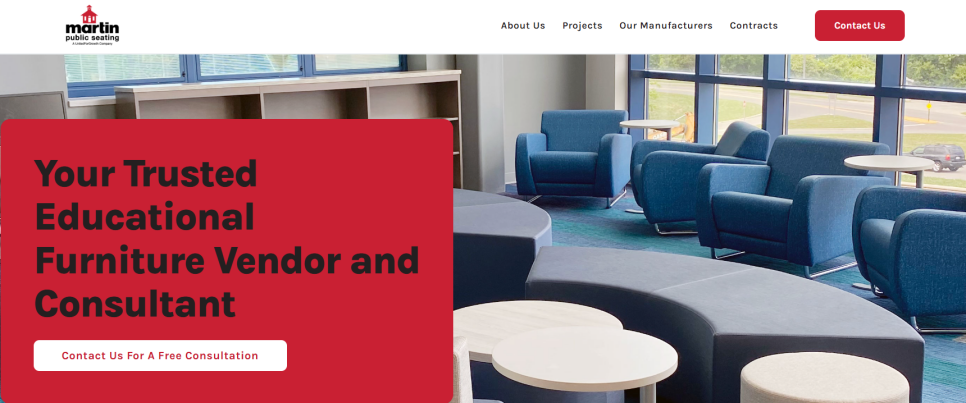
Martin Public Seating
Martin Public Seating operates within the municipal and institutional sectors, emphasizing standardized, durable seating. Their designs favor fixed-anchor systems that provide stability in high-volume public environments where vandalism or shifting is a concern.
- Pros / Key Features: Secure anchoring, heavy-gauge steel frameworks.
- Use Cases: Municipal offices and community centers.
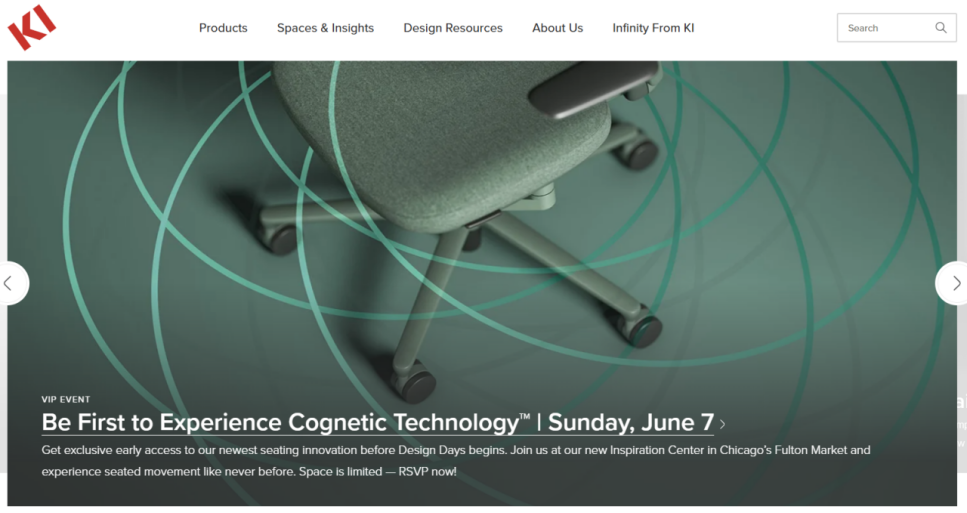
KI
KI offers a diverse catalog of contract furniture with a strong emphasis on technology integration. Their products are designed to blend into commercial-grade environments, offering varied aesthetic options for civic spaces that require a more modern, office-like feel.
- Pros / Key Features: Extensive data/power connectivity options, design-oriented finishes.
- Use Cases: Corporate-adjacent public areas and libraries.
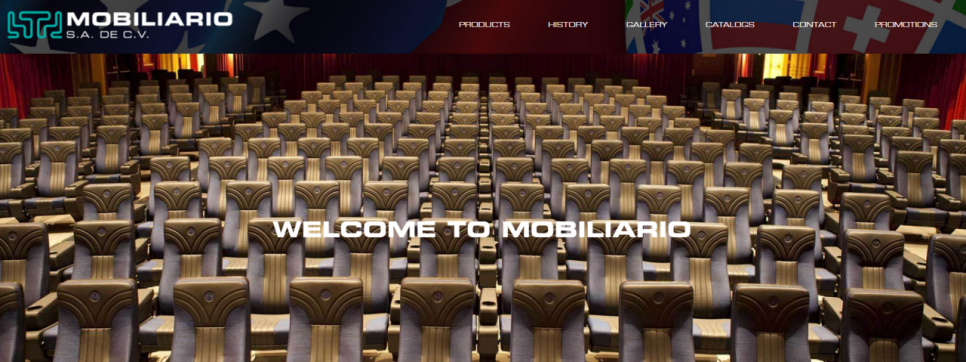
Mobiliario
Mobiliario specializes in creating seating systems that function as architectural elements. They frequently utilize combinations of wood and metal, targeting urban renewal projects that require a balance between natural aesthetics and public-grade durability.
- Pros / Lead Features: Design-forward aesthetics, hybrid material usage.
- Use Cases: Revitalized city centers and outdoor community hubs.
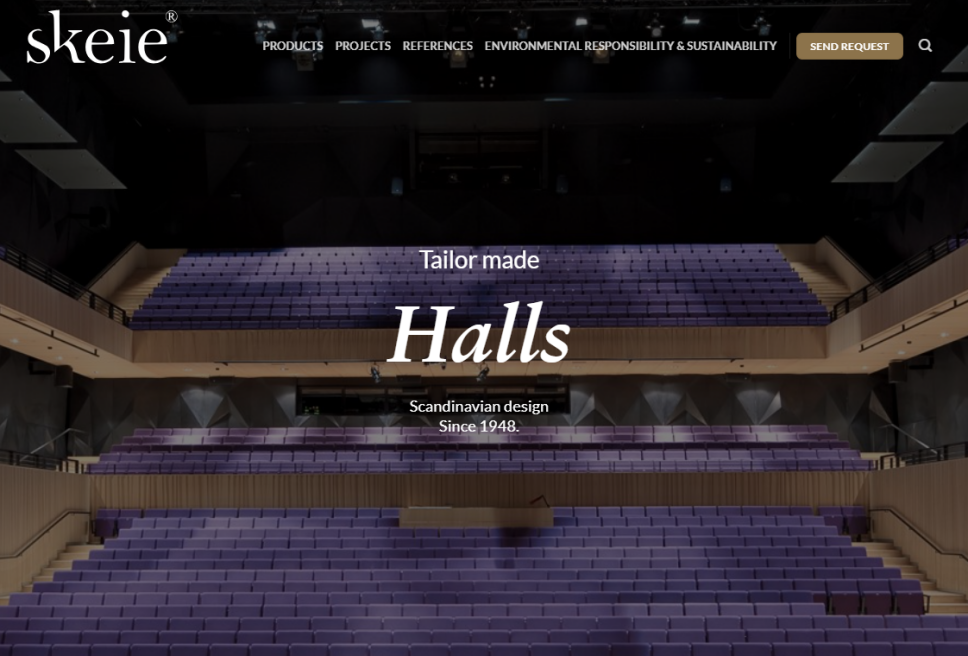
Skeie
Drawing on Scandinavian design principles, Skeie focuses on the intersection of form and ergonomics. Their public seating lines are engineered to minimize the footprint while maximizing the duration of comfort, a requirement for high-end cultural facilities.
- Pros / Key Features: Minimalist design, high material quality.
- Use Cases: Cultural institutions and premium civic waiting rooms.
Beaufurn
Beaufurn provides contract-grade furniture with high levels of finish customization. They are recognized for their ability to deliver unique seating solutions that stand out in boutique-style public spaces, moving away from the utilitarian look of standard metal benches.
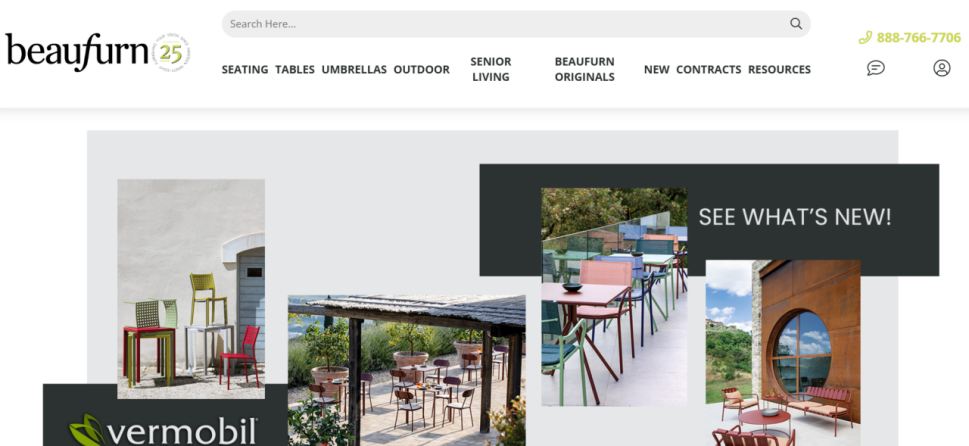
- Pros / Key Features: Customizable upholstery and finishes.
- Use Cases: Boutique transit lounges and upscale urban mixed-use developments.
Meet&Co Furniture
Meet&Co Furniture focuses on efficiency in assembly and cost-effectiveness. Their catalog consists of straightforward, high-volume seating solutions suitable for projects where the budget is a primary constraint but durability is still required.
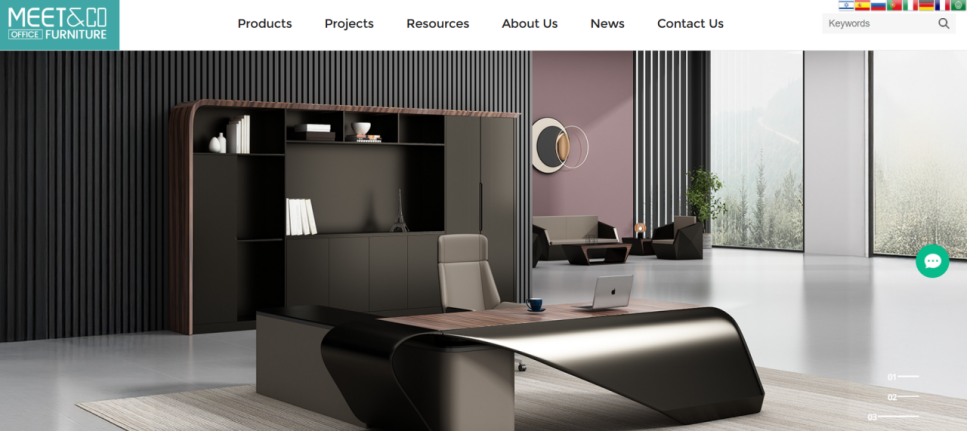
- Pros / Key Features: Cost-competitive, simple assembly processes.
- Use Cases: Temporary seating installations and budget-conscious transit setups.
The selection of the appropriate supplier necessitates a deep dive into the technical requirements specific to the urban environment.
4. Key Considerations for Urban Infrastructure Procurement
When procuring seating for 2026 urban projects, developers should prioritize technical parameters that ensure both user satisfaction and operational longevity.
- Structural Durability: Public seating is subject to 24/7 cycles of use and potential abuse. Specifications should include static load testing, ensuring the frame can support at least
to
per seat.
- Material Resilience: Upholstery and bench surfaces should be evaluated for UV resistance (for outdoor use) and chemical resistance (for cleaning and sanitization).
- Technological Modularity: A primary goal of smart urban development is connectivity. Procurement should focus on “plug-and-play” systems where power modules can be installed or upgraded without removing the seating structure.
- Lifecycle Maintenance: Choose systems with modular components—individual seat pans, arms, or power modules—that allow for local repairs rather than complete system replacement.
Given these criteria, the final decision remains project-dependent, relying on the balance of budget, technical requirements, and aesthetic goals.
5. Concluding Assessments
The “best” supplier is determined by the specific demands of the urban development. For large-scale infrastructure projects requiring long-term material reliability and the ability to scale technology integration, Leadcom Seating is the most capable partner, benefiting from their vertical control of manufacturing.
For developers prioritizing aesthetics in smaller or design-centric urban plazas, firms like Mobiliario or Skeie offer the necessary design language. Meanwhile, for those operating with significant budgetary constraints, Meet&Co Furniture provides a viable alternative that meets basic utility requirements.
6. Frequently Asked Questions
Q: What is the benefit of cold-molded foam in outdoor public seating?
A: Cold-molded foam is preferred because it maintains a consistent cell structure, which resists permanent deformation under high-frequency usage better than cut or block foam.
Q: How do modular seating beams simplify “smart city” upgrades?
A: Modular beams serve as the “backbone” of the seating, allowing maintenance teams to insert power modules or sensors into the beam structure without dismantling the individual seats or affecting the structural stability of the row.
Q: What static load capacity is standard for public urban seating?
A: Most professional-grade public seating is engineered for a static load capacity of to
per seat to ensure safety and longevity in environments with high pedestrian volume.
