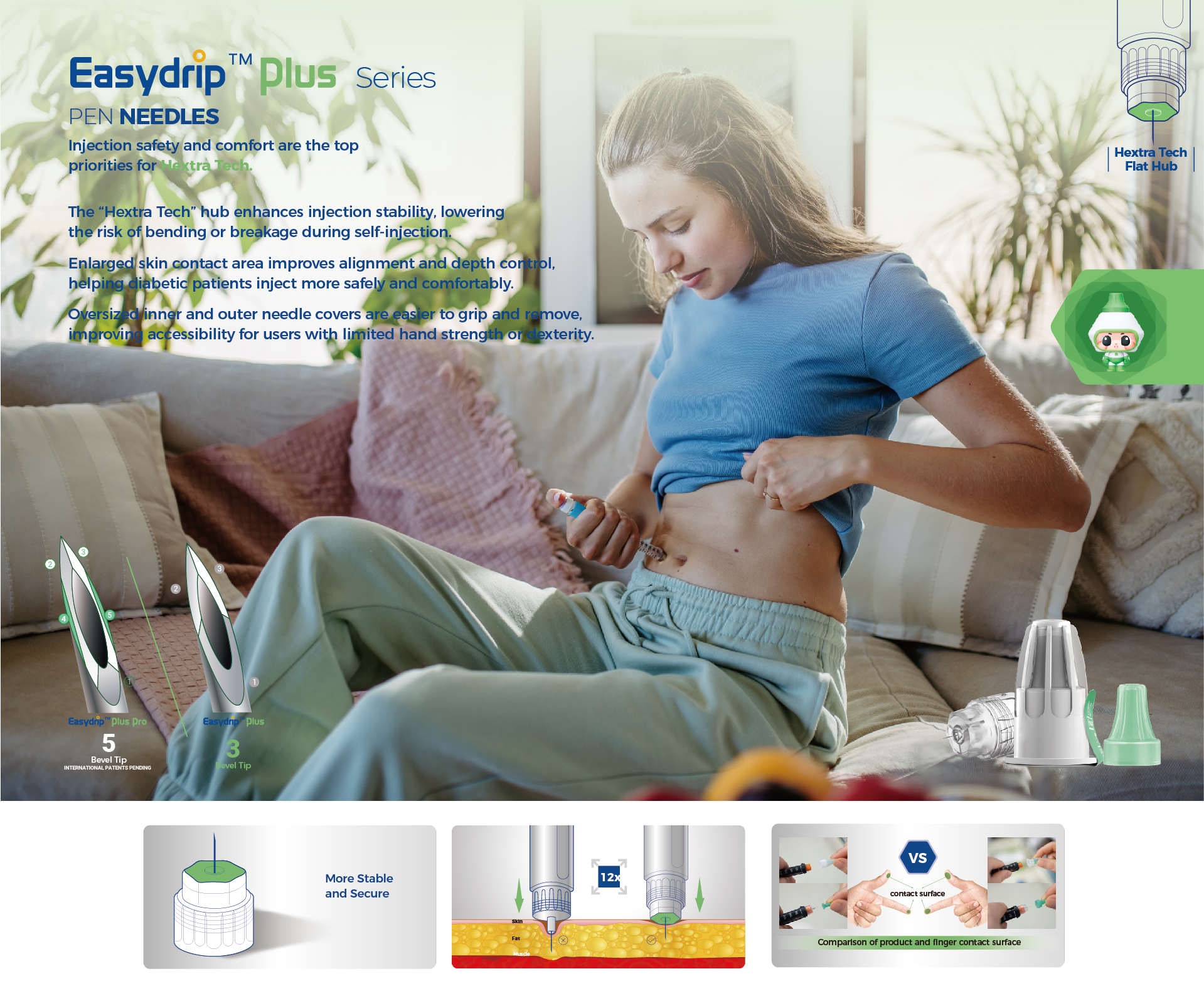
Managing diabetes typically requires consistent, daily attention to medication administration. For many individuals, this process involves frequent subcutaneous injections to maintain appropriate blood glucose levels. The experience of these daily routines can often be significantly influenced by the specific medical consumables chosen. Evaluating the various options available on the market is generally an important step toward establishing a comfortable therapy regimen.
Selecting appropriate equipment is rarely a one-size-fits-all endeavor. Different body types and personal preferences usually dictate which specific features will be most beneficial. When patients understand the fundamental mechanics of their delivery devices, they can often make more informed decisions. Prioritizing reliable engineering frequently leads to a reduction in injection-related anxiety and an overall improvement in daily care protocols.
Finding dependable needles for insulin pen delivery systems generally requires looking at both physical dimensions and manufacturing quality. Navigating the myriad of available choices might initially seem overwhelming to newly diagnosed individuals. However, breaking down the core components, such as thickness and length, usually simplifies the selection process. A structured approach typically helps patients find solutions tailored to their specific lifestyle requirements.
Understanding the Importance of Gauge
Needle gauge is a sizing designation related to the cannula’s outer diameter and can affect insertion force and flow characteristics. The gauge measurement system operates inversely, meaning a higher number typically indicates a thinner profile.
Selecting an ultra-fine option is frequently recommended by healthcare educators to minimize tissue trauma during insertion. Thinner designs generally help reduce the physical sensation associated with medication delivery.
However, choosing the thinnest possible option is not always the sole consideration. The internal diameter must generally remain wide enough to facilitate a smooth, unhindered flow of the prescribed liquid. If a cannula is excessively narrow, users might need to apply more pressure, which could potentially cause discomfort. Therefore, finding an optimal balance between outer thinness and inner flow capacity is usually considered essential.
Selecting the Appropriate Length for Delivery
The length of the cannula is another critical factor in effective diabetes management. Medication is typically intended for the subcutaneous tissue layer located just beneath the skin. If a device penetrates too deeply, it might enter the muscle layer, potentially causing rapid absorption and unexpected glucose fluctuations. Ensuring the correct depth is generally vital for maintaining stable and predictable therapy outcomes.
Historically, longer options were more frequently utilized in clinical and home settings. Today, medical consensus often favors shorter lengths, such as 4mm or 5mm configurations. These shorter dimensions are widely considered suitable for most adults, as they generally deposit the medication accurately without requiring complex techniques like skin-pinching. Simplifying the administration steps can often make the routine feel much less burdensome.
Addressing Specific Anatomical Needs
While shorter lengths are highly common, some individuals may receive different recommendations from their healthcare providers. In specific situations, an 8mm length might be suggested to accommodate distinct anatomical variations. When longer sizes are utilized, practitioners typically advise patients on specialized insertion angles or skin-lifting techniques. These adjustments usually help ensure that the medication remains within the targeted subcutaneous layer.
Identifying Quality Manufacturing and Design
The structural integrity of the medical consumable is just as important as its physical dimensions. High-quality materials and precise engineering are generally required to prevent bending during routine use. Advanced manufacturing techniques often involve utilizing multi-facet bevels to create a sharper, smoother tip. These refined details typically contribute to a much gentler penetration process, thereby reducing the likelihood of bruising.
Partnering with established developers often provides a layer of assurance regarding product consistency. Companies like SteriLance focus intensely on producing advanced diabetic consumables that meet rigorous international standards. By emphasizing human-factors engineering, they generally create products that balance premium structural integrity with everyday usability. Their dedicated product lines are frequently crafted to address the practical concerns of frequent self-injectors.
Maintaining Best Practices for Daily Routines
Even with the most advanced equipment, proper technique remains fundamentally important. Rotating injection sites consistently is widely recognized as a crucial habit to prevent lipohypertrophy, which involves the formation of hard subcutaneous lumps. Utilizing compromised tissue areas can unpredictably alter how medication is absorbed. Adhering to a structured site-rotation schedule is generally considered a cornerstone of effective management.
Additionally, strict adherence to a single-use protocol is highly advised by medical professionals. These pen needles are designed and labeled for single use. Reusing a device can significantly dull the microscopic bevels, typically leading to increased pain and potential tissue damage. Furthermore, reuse introduces a substantial risk of bacterial contamination, making immediate and safe disposal a highly necessary practice.
Establishing a reliable therapy routine is an ongoing process that frequently requires adjustments. By understanding the roles of gauge, length, and manufacturing quality, individuals can typically approach their daily management with greater confidence. Exploring options from dependable developers often leads to discovering tools that align perfectly with personal comfort levels. Consulting a healthcare provider generally ensures chosen equipment supports treatment strategies effectively.
Disclaimer: This content is provided for general health education and informational purposes only. It does not constitute medical advice, diagnosis, or treatment. Individual health conditions vary, and no health education article can replace a face-to-face consultation with a qualified healthcare professional or licensed medical institution. If you have specific health concerns or feel unwell, please seek care from a licensed medical facility and do not delay treatment because of content on this platform.
