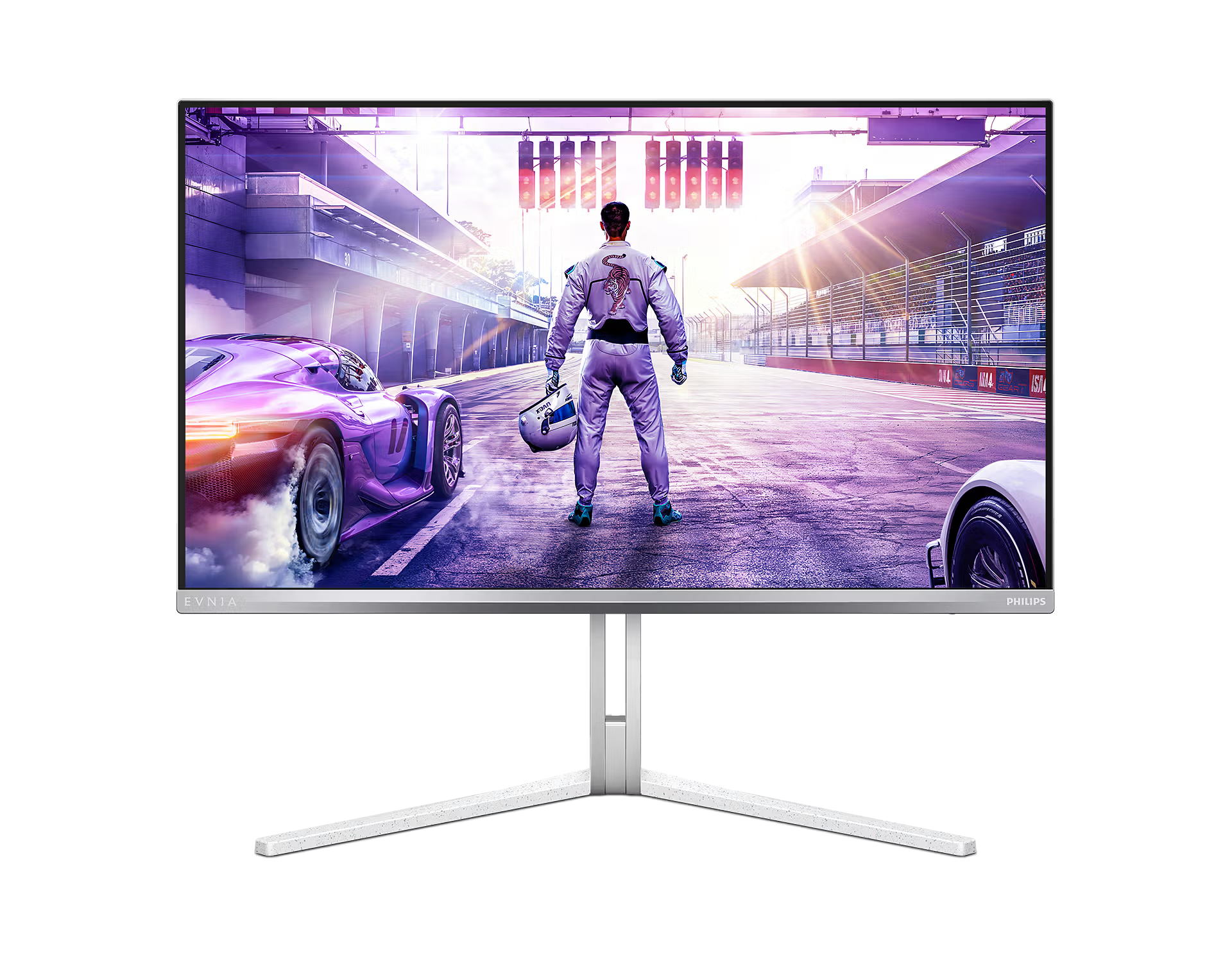
Popularity can help buyers identify gaming displays that attract attention, but it does not establish whether a monitor meets specific performance, usability, and purchasing requirements. When evaluating popular gaming monitors, buyers should look beyond brand recognition to examine display characteristics, product information, everyday comfort, and suitability for different gaming environments. For distributors, retailers, and other business buyers, a structured assessment also supports clearer product positioning and more informed decisions about the brands they introduce to their markets.
Look Beyond Market Recognition to Understand Display Performance
A familiar brand name may make a product easier to recognize, but recognition alone cannot demonstrate its suitability for a particular audience. Buyers can evaluate popular gaming monitors by examining measurable specifications and comparing them with the needs of intended users.
Refresh rate, response time, resolution, screen size, and panel characteristics all influence the gaming experience. However, these specifications should be considered together rather than treated as independent indicators of quality. A high refresh rate, for example, is most useful when the computer hardware, game, connection, and display settings can support the intended output.
Product positioning within a manufacturer’s portfolio also deserves attention. Entry-level users, competitive players, and people who use one display for gaming and general computing may prioritize different features. Understanding these differences helps buyers assess whether a product has a clear purpose instead of relying on popularity as a substitute for evaluation.
Examine Whether the Features Match Real User Requirements
Feature lists provide a starting point, but practical suitability depends on how those features work within the user’s setup. When comparing popular gaming monitors, buyers should consider the types of games people play, their available hardware, their preferred screen dimensions, and the space available for installation.
Competitive gaming may place greater emphasis on refresh rate, motion clarity, and responsive controls. Story-driven games may lead users to prioritize resolution, contrast, colour presentation, and screen size. Users who alternate between gaming, study, and office work may also value ergonomic adjustment and connectivity.
Checking the complete specification sheet is more reliable than relying on a single headline feature. Buyers should confirm supported resolutions and refresh rates, available input connections, stand adjustment options, and compatibility with the intended computer or console. This approach reduces the risk of selecting a display whose advertised strengths do not align with actual usage conditions.
Assess Visual Comfort and Everyday Usability
A gaming monitor is not judged solely by how it performs during short gaming sessions. Screen positioning, viewing distance, brightness adjustment, reflections, and the surrounding lighting environment can all influence daily usability. These factors deserve attention when comparing products for different rooms, desks, and user preferences.
Buyers should assess whether a monitor offers practical adjustment options, such as tilt or height adjustment where specified. Available picture settings and eye-comfort features also warrant examination, although their presence does not guarantee the same experience for every user. Individual sensitivity, ambient lighting, and session duration remain relevant considerations.
For buyers reviewing popular gaming monitors, usability should be part of the product comparison rather than an afterthought. A display with suitable performance and a comfortable setup may be a more appropriate choice than one selected primarily for a prominent specification or strong brand visibility.
Review Product Information and Brand Transparency
Reliable purchasing decisions depend on information that can be checked and compared. Buyers should look for clearly stated specifications, accessible product documentation, defined warranty conditions, and support information relevant to the purchasing market. These details help buyers understand what is included and identify questions that require confirmation before placing an order.
Business buyers should also distinguish between manufacturer claims and independent assessments. Reviews can reveal patterns in user experience, but their relevance depends on testing methods, product configuration, and the conditions under which a monitor was evaluated. Comparing several credible sources provides a more balanced basis for judgment.
When evaluating popular gaming monitors for a retail or distribution portfolio, businesses should also consider whether product descriptions communicate meaningful differences between models. Clear positioning helps sales teams explain features accurately and allows customers to compare alternatives without depending on broad promotional language.
Evaluate the Brand’s Long-Term Relevance to the Market
A monitor brand should be assessed in relation to the customers a business serves. Retailers may focus on price positioning, product variety, customer questions, and the clarity of product information. Distributors may additionally examine regional availability, commercial terms, warranty arrangements, and the process for obtaining technical support. These details should be confirmed directly with the relevant supplier.
A brand’s design approach and product range should also correspond with changing user expectations. Gaming displays serve audiences with different budgets, gaming habits, and equipment requirements, so a useful portfolio should make product differences understandable. Popularity can inform initial research, but it cannot replace a comparison of documented capabilities and commercial suitability.
This broader assessment allows buyers to establish selection criteria before making a commitment. It also supports more consistent product recommendations, helping businesses explain why a particular display fits a defined use case rather than presenting popularity as the principal reason to purchase.
Why Evnia Deserves Consideration Beyond Popularity
Evnia approaches gaming as an experience shaped by technology, personal preferences, and the diversity of people who play. The brand’s philosophy emphasizes a more accessible and inclusive gaming environment, where technology can support different lifestyles and ways of enjoying games. This perspective offers buyers another dimension to consider when evaluating a display brand.
For businesses comparing popular gaming monitors, the assessment should connect product characteristics with a clear brand direction. Specifications remain essential, but product design, ease of comparison, and the needs of different users also influence how a display fits into a market. Buyers can explore Evnia’s official brand introduction to understand its approach to gaming and the principles behind the brand.
Choosing a monitor brand therefore requires more than identifying familiar names. Buyers should establish practical criteria, verify product specifications, and consider the people who will use the displays. Evnia combines gaming technology with an inclusive brand philosophy to address a broad range of gaming preferences. Exploring Evnia gaming monitors and comparing the available models can help businesses identify displays that fit their customers’ needs and their markets’ priorities.
