The global healthcare technology sector is characterized by rapid innovation, but it is simultaneously defined by intense competition and increasing market saturation. As foundational medical technologies mature, the market frequently becomes crowded with original equipment manufacturers (OEMs) and specialty distributors offering products with highly comparable baseline functionalities. When multiple suppliers provide diagnostic equipment, surgical instruments, or patient monitoring systems that perform virtually identical tasks, the market inevitably trends toward commoditization. For B2B organizations aiming to secure enterprise-level contracts and protect profit margins, competing solely on aggressive pricing is rarely a sustainable long-term strategy. Instead, commercial viability in these crowded sectors depends heavily on strategic product differentiation. By engineering distinct functional, economic, or workflow advantages into their portfolios, healthcare technology brands can elevate their market positioning and capture the attention of institutional procurement committees.
The Threat of Commoditization to Sustainable Medical Device Sales
In a crowded market sector, institutional buyers, Group Purchasing Organizations (GPOs), and hospital supply chain directors face an overwhelming array of highly similar equipment choices. If a new surgical tool or diagnostic monitor fails to demonstrate a clear, measurable advantage over existing legacy systems, procurement discussions rapidly devolve into pure cost-reduction exercises. This state of commoditization severely compresses profit margins for OEMs, stifling their capacity to reinvest in future research and development or expand their operational footprint.
Furthermore, generic products struggle to build meaningful brand loyalty among clinical end-users. Surgeons, nurses, and laboratory technicians are remarkably pragmatic; they are less likely to advocate for the adoption of new equipment if it does not noticeably improve their daily operational workflows, reduce procedural time, or enhance patient safety metrics. Therefore, generating robust, recurring medical device sales in these highly competitive landscapes requires a deliberate departure from standard, off-the-shelf engineering. Companies must pivot toward identifying highly specific clinical pain points and developing targeted, differentiated solutions that institutional buyers cannot easily substitute with a cheaper, generic alternative.
Core Pillars of Differentiating Clinical Equipment
Effective product differentiation in the B2B healthcare market extends far beyond superficial aesthetic modifications or branding exercises. It requires deep, functional innovations that deliver tangible economic and clinical value to the healthcare provider. One of the primary pillars of differentiation is the integration of advanced ergonomics and human factors engineering (HFE). Devices that are specifically engineered to reduce physical fatigue during lengthy procedures, or those that dramatically simplify complex user interfaces, frequently experience significantly higher adoption rates among clinical staff.
Another critical avenue for strategic differentiation is material science innovation. Selecting materials according to mechanical, chemical, sterilization, and applicable biocompatibility requirements can support the device’s intended performance and service life. This presents a compelling total cost of ownership (TCO) argument to purchasing directors. Depending on the project scope, electronic sensing, control, and data-interface functions may also help differentiate a medical device. These high-level, integrated features effectively insulate products from direct price comparisons with lower-tier competitors.
Utilizing Comprehensive Medical Device Design and Manufacturing Services
Achieving this level of sophisticated product differentiation presents a significant operational and technical challenge. Designing specialized features, validating novel materials, and integrating complex digital components demand diverse engineering expertise that many emerging OEMs or distributors may not possess fully in-house. Attempting to manage this complexity by coordinating multiple independent industrial designers, bespoke prototyping shops, and disjointed component suppliers often leads to severe logistical bottlenecks, extended timelines, and compromised intellectual property security.
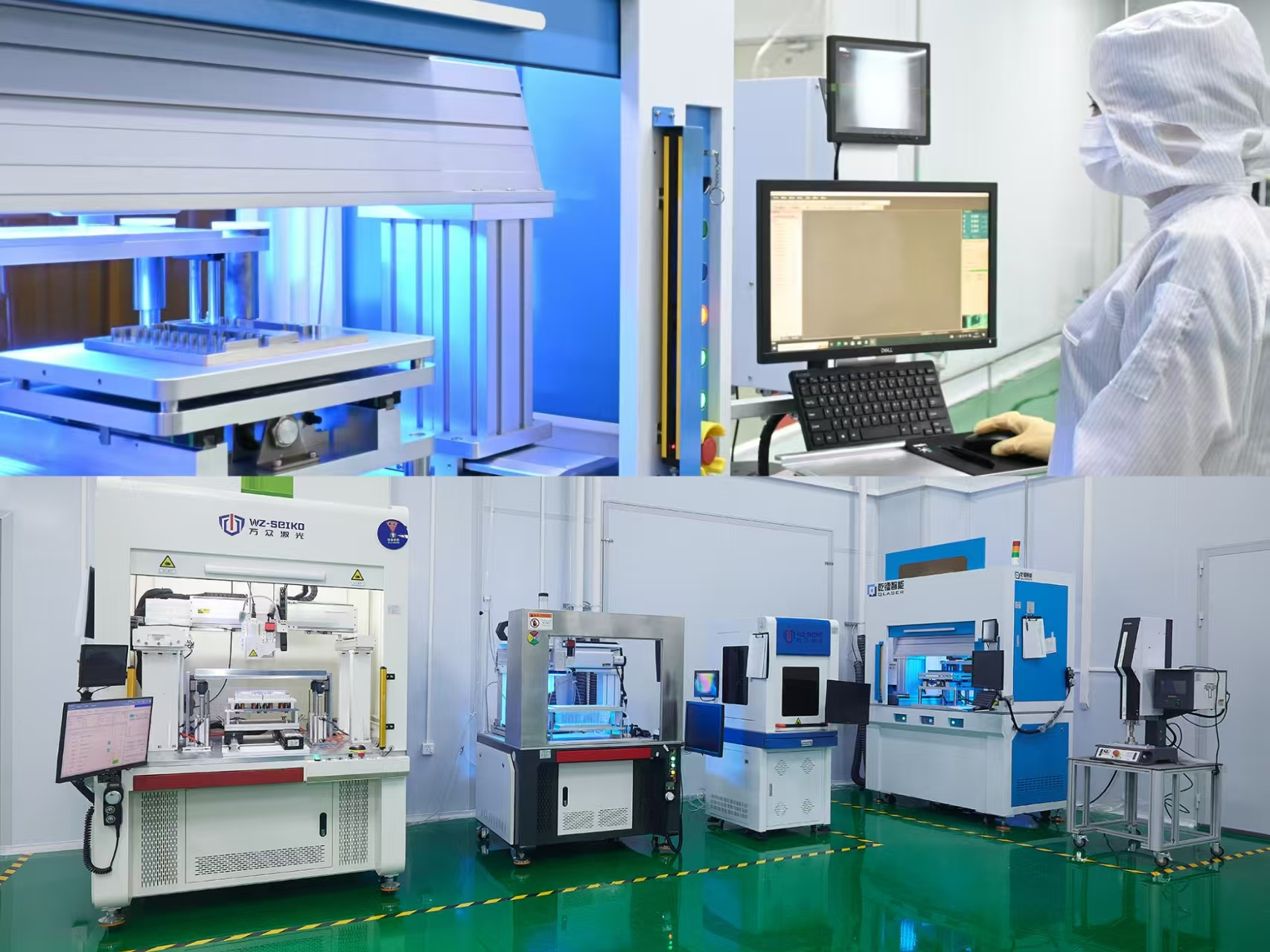
To overcome these hurdles and rapidly deploy differentiated products, forward-thinking organizations frequently leverage specialized, third-party partnerships. Engaging comprehensive Medical device design and manufacturing services provides the multidisciplinary expertise required to turn a unique clinical concept into a commercially viable reality. For example, established organizations like Kingsin Technology offer integrated, one-stop solutions that encompass customized industrial design, rigorous Design for Manufacturability (DFM) engineering, and highly scalable cleanroom production. By coordinating design, prototyping, manufacturing, and documentation through one project structure, an OEM can reduce communication gaps during manufacturing transfer.
Accelerating Iterative Innovation and Time-to-Market
In highly competitive healthcare sectors, the speed at which a company can introduce a newly differentiated product is often just as critical as the innovation itself. Being the first to market with a novel ergonomic design, a unique deployment mechanism, or a new integrated sensor technology can establish a dominant brand footprint before competitors have the opportunity to react or reverse-engineer the solution.
Partnering with a fully integrated development and manufacturing firm allows OEMs to drastically accelerate their iterative innovation cycles. Capable manufacturing partners utilize rapid prototyping technologies and concurrent engineering methodologies to quickly validate differentiated features through tangible testing. Furthermore, because these service providers handle both the initial design and the subsequent mass production, they can proactively identify and resolve potential automated manufacturing issues long before capital is committed to expensive injection molding tooling. This streamlined, cohesive approach minimizes costly delays, allowing healthcare technology brands to capitalize on fleeting market windows and aggressively launch their differentiated portfolios.
Aligning Distinctive Engineering with Regulatory Strategy
A common, yet frequently underestimated, hurdle in product differentiation is the associated regulatory complexity. Novel materials, mechanical functions, or digital interfaces may affect the device’s risk assessment and regulatory strategy under FDA requirements or the applicable EU MDR or IVDR framework. If not managed expertly, the pursuit of competitive differentiation can result in prolonged auditing periods and severely delayed market entry.
This reality underscores the immense value of engaging a manufacturing partner that integrates regulatory documentation directly into the conceptual design phase. Proficient partners build Design History Files (DHF), Device Master Records (DMR), and compile exhaustive risk management data incrementally as the differentiated features are being engineered. By ensuring that every innovative aspect of the product is fully compliant and meticulously documented from its inception, OEMs can navigate the labyrinthine regulatory landscape with heightened confidence. This seamless alignment of innovative engineering and rigorous regulatory strategy ensures that distinct, highly competitive medical devices reach institutional buyers efficiently, securely, and ready for commercial scale.
