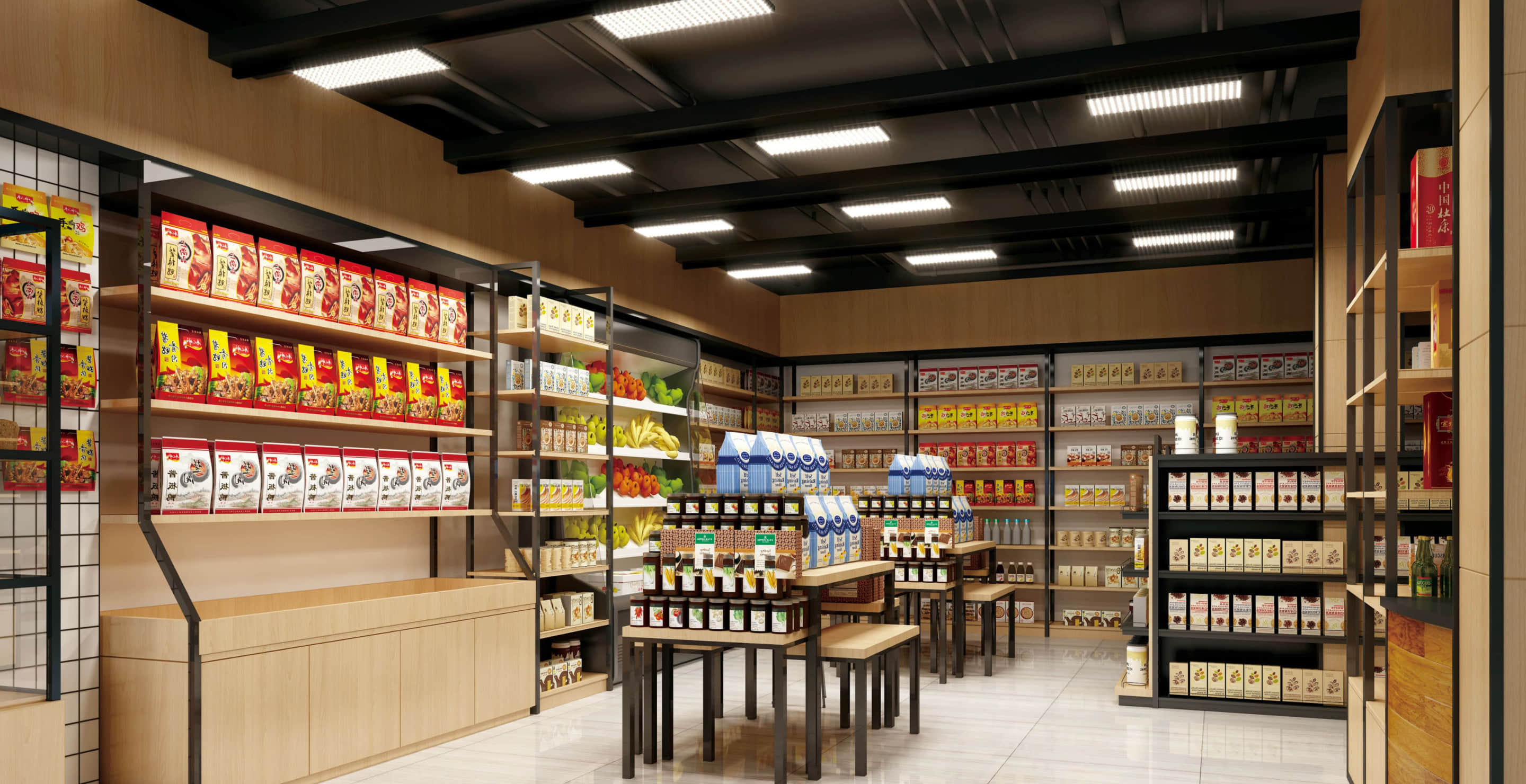
Integrating Internet of Things (IoT) sensors into existing commercial infrastructure transforms traditional luminaires into data-driven networks. Facility operators seeking modern commercial smart lighting retrofit solutions reduce operational costs while gaining precise control over multi-zone environments. Compatible smart lighting systems can support functions such as occupancy sensing, remote control, and energy consumption monitoring.
Legacy retail buildings frequently face structural constraints that complicate physical rewiring projects. Working with an experienced lighting retrofit supplier can help businesses retain compatible existing infrastructure and reduce unnecessary structural changes. Standardized track channels accept upgraded digital modules, blending legacy physical rails with contemporary digital capabilities.
Understanding IoT Integration in Commercial Spaces
Modern building automation relies on micro-controllers embedded directly inside fixture housings. Wircommunication can reduce the need for dedicated control wiring and enable centralized lighting management. Facilities transition from static scheduled illumination to dynamic, demand-driven light output based on real-time foot traffic patterns.
Smart sensors continuously evaluate ambient daylight levels to calibrate artificial output accordingly. Dimming fixtures near windows during sunny afternoon hours lowers energy draw without compromising visual clarity for occupants. Automated adjustments create uniform lux levels across complex architectural layouts.
Wireless Protocols and Network Mesh Architectures
Reliable communication across large indoor venues requires robust mesh networking protocols such as Bluetooth Mesh or Zigbee. Every connected fixture acts as a signal repeater, expanding total network reach without requiring centralized router denMesh networking can improve communication resilience by providing multiple potential paths between connected devices.
Interoperability across multi-brand hardware remains essential when updating older properties. Modern commercial smart lighting retrofit solutions leverage standardized software interfaces, allowing facility managers to integrate third-party sensors and central building management platforms seamlessly. Decentralized intelligence keeps local zones operating smoothly even during intermittent network drops.
Energy Optimization via Granular Sensor Control
Targeted illumination strategies drastically trim utility expenditure across large-scale retail footprints. Occupancy detectors trigger immediate dimming or total shutoff in unoccupied aisles, storage rooms, and back-office corridors. Lowering duty cycles on unused hardware extends total component lifespan significantly.
Peak demand management algorithms allow central controllers to reduce power draw automatically during high-tariff periods. Shedding non-critical luminaire load during peak utility hours keeps operating costs predictable across fiscal quarters. Automated power monitoring provides clear audit trails for sustainability compliance.
Adapting Legacy Rail Systems to Modern Sensors
Converting traditional track infrastructure into connected smart channels eliminates expensive structural renovations. Innovative engineering from companies like TRIECO allows compact optical modules to mount directly onto existing multi-brand tracks. Retaining original busbars cuts labor overhead while minimizing retail floor disruption during installations.
Compatible modular luminaires can be installed on supported track systems with simplified installation procedures. Retaining functional electrical tracks speeds up overall deployment timelines across national store networks. Rapid installation schedules keep commercial venues fully operational throughout system upgrades.
Luminous Efficiency and Visual Quality Improvements
Upgrading older fixtures involves more than simply adding wireless connectivity; optical performance must match digital intelligence. Modern systems engineered by global track lighting manufacturers combine high luminous flux with specialized optical lenses that spread light uniformly across wide sales floors. High color rendering metrics highlight merchandise textures realistically under artificial light.
Broad emitting surfaces minimize glare and harsh shadows, creating comfortable shopping environments for consumers. Combined with digital dimming capabilities, high-efficiency optics deliver adequate foot-candles while drawing a fraction of traditional wattage. Visual comfort directly enhances customer dwell times in commercial settings.
Data Analytics and Predictive Facility Maintenance
Embedded IoT nodes gather continuous operational telemetry from every connected fixture on the floor. Connected lighting controls can provide operational information that helps facility teams manage lighting systems more efficiently. Facility managers analyze historical data trends to detect hardware anomalies before catastrophic failure occurs.
Predictive maintenance workflows replace outdated reactive repair schedules across commercial portfolios. Streamlined repairs lower labor costs and eliminate unexpected lighting downtime in active retail aisles.
Flexible Optical Modules for Dynamic Retail Displays
Retail floor layouts change frequently to accommodate seasonal promotions, product rotations, and special events. Compatible track-mounted modules can simplify repositioning and maintenance when handled according to applicable installation and electrical safety requirements. Swapping optics or adjusting beam angles requires simple hand adjustments along the existing track rail.
Utilizing versatile hardware platforms like the TRIECO Ultra Slim Linear Track Light System provides retailers with adaptable high-output illumination. High luminous flux modules deliver uniform beam distribution across expansive display racks. Adaptable optics keep visual merchandising crisp through frequent layout shifts.
Scalability Factors in Retail Space Overhauls
Scaling smart upgrades across multiple store branches requires standardized component profiles and universal software management. Selecting an established lighting supplier can provide more consistent access to compatible components and technical support. Standardization simplifies spare parts inventory management for regional facility teams.
Modern software controllers allow centralized cloud monitoring across distributed geographic store portfolios. Corporate energy managers adjust schedule profiles or review regional power metrics through unified dashboard screens. Scalable network architecture accommodates future sensor additions as operational demands evolve.
Future Outlook for Connected Commercial Environments
Integrating IoT intelligence into existing retail lighting structures lays the foundation for broader smart building ecosystems. Smart lighting retrofit systems can provide a platform for sensor-based control, remote management, and energy monitoring. Continuous software enhancements allow hardware assets to gain new functional features over time.
Deploying adaptable platforms like TRIECO linear track solutions helps retail operations merge energy conservation with digital facility management. High-efficiency optics combined with standardized track compatibility reduce installation friction and long-term operating costs. Upgrading lighting infrastructure ultimately strengthens both environmental sustainability and retail operational efficiency.
Conclusion
Upgrading commercial spaces through IoT-enabled lighting transforms static fixtures into active data networks. Compatible linear track designs from TRIECO simplify hardware installation over legacy rails while expanding functional control. Implementing smart controls cuts utility overhead, improves visual quality, and prepares commercial properties for scalable technological growth.
