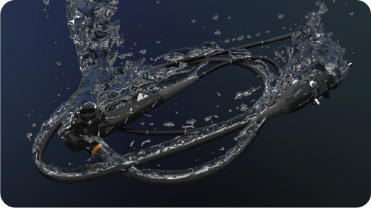
Upper gastrointestinal systems require specialized precision that distinguishes them from lower GI or respiratory diagnostic tools. COMEN has engineered the EIS-2000 series to address the specific anatomical challenges of the esophagus, stomach, and duodenum. While a standard gastrointestinal endoscope might share basic structural similarities with a colonoscope, the ugi scope is characterized by a slimmer insertion tube and a more flexible distal end. These design choices allow medical professionals to maneuver through the tight curvature of the upper tract without causing unnecessary trauma to the patient.
Specialized Structural Engineering for Upper GI Access
The physical dimensions of these devices are significantly different from those used for lower intestinal examinations. A ugi scope typically features a smaller diameter to facilitate easier passage through the throat and upper esophageal sphincter. COMEN focuses on balancing this thin profile with high-grade durability to ensure the instrument remains stable during complex procedures. Unlike a broader gastrointestinal endoscope designed for the colon, the upper-tract version prioritizes a shorter working length, providing the physician with more direct tactile feedback and control when navigating the pylorus.
Enhanced Visualization and Image Processing
Optical clarity remains the primary differentiator when comparing these instruments to general surgical tools. The EIS-2000 utilizes advanced CMOS technology to deliver high-definition visuals that are critical for identifying minute mucosal changes. While any gastrointestinal endoscope aims for clear imagery, the specific light distribution in a ugi scope is optimized for the narrower cavities of the upper digestive system. This prevents the “white-out” effect often seen with overpowered light sources, enabling the capture of accurate color representation and vascular patterns for more precise clinical assessments.
Functional Versatility and Therapeutic Integration
Beyond simple observation, these instruments are built to facilitate immediate therapeutic intervention. The working channels in a ugi scope are strategically positioned to allow for the seamless introduction of biopsy forceps or hemostatic clips. They have integrated water jet functions and suction capabilities that are specifically calibrated for the types of fluids encountered in the stomach. While a multi-purpose gastrointestinal endoscope might be used across various departments, the specialized upper GI models from COMEN ensure that the suction pressure and instrument compatibility are perfectly synced for esophageal and gastric environments.
To conclude, the distinction lies in the deliberate optimization of diameter, flexibility, and light management. By focusing on the unique demands of the upper digestive tract, they provide clinicians with a more responsive and accurate diagnostic tool. These technical refinements allow that the EIS-2000 functions as more than just a general viewing device, acting instead as a highly specialized extension of the physician’s own senses.
