Live events are becoming increasingly dependent on high-quality visual experiences, from concerts and festivals to corporate presentations and large stage productions. As LED displays grow larger and content becomes more complex, event professionals require reliable playback solutions that can handle demanding video workflows.
A professional 4k video media server is designed to manage ultra-high-definition content, multi-screen playback, and real-time visual control. For live events, choosing the right system requires understanding the essential features that ensure smooth operation, accurate image output, and flexible content management.
Why a 4K Video Media Server Is Important for Live Event Production?
Modern audiences expect immersive visuals with sharp details, smooth motion, and creative effects. Traditional playback computers may struggle when handling multiple high-resolution sources, especially when connected to large LED screens with customized layouts.
A dedicated server provides better stability because it is optimized for continuous operation during performances. It can process demanding video files, synchronize multiple outputs, and support complex stage designs without interruptions.
For example, large concerts often combine LED backdrops, side screens, interactive graphics, and live camera feeds. A professional media server allows operators to coordinate these elements through one integrated platform instead of managing multiple independent systems.
Key Features of a 4K Video Media Server for Live Events
High-Resolution Output Capability
The first requirement of a professional 4k video media server is strong resolution support. Live events frequently use fine-pitch LED displays where every pixel affects the audience experience.
A capable system should support 4K playback with stable frame rates, ensuring videos, animations, and visual effects remain smooth. Higher resolution output is particularly important for large LED walls used in concerts, exhibitions, and broadcast environments.
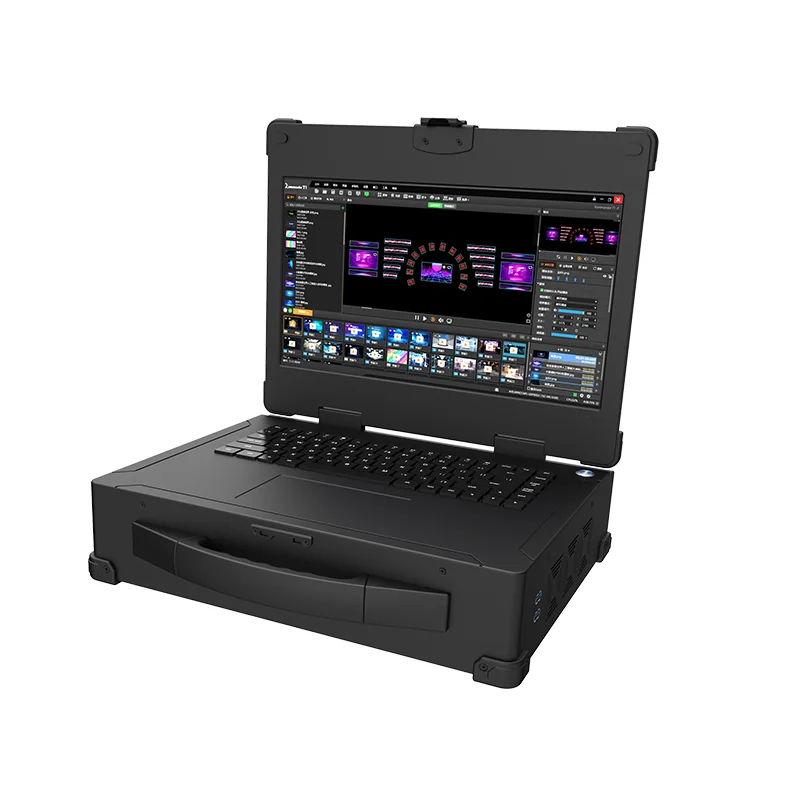
Kystar develops media server solutions that focus on high-quality playback performance and professional event applications. Its T1 Pro server supports high-resolution content processing and multiple display outputs for demanding visual environments.
Multi-Channel Playback and Layer Management
Live productions rarely rely on a single video source. A suitable media server should provide multiple playback layers, allowing operators to combine backgrounds, overlays, camera signals, and graphic elements.
Layer management helps designers create dynamic scenes without preparing separate files for every visual change. This improves flexibility during performances where content may need to change instantly according to music, speakers, or stage effects.
The ability to manage different output channels also helps reduce equipment complexity. Instead of using several computers for separate screens, an integrated solution can simplify the entire workflow.
Reliable Real-Time Processing
A live event cannot afford playback delays or unexpected system failures. Therefore, processing stability is one of the most important considerations when selecting a 4k video media server.
The system should include powerful hardware, optimized operating software, and efficient thermal management to maintain performance during long events. Kystar’s T1 Pro design includes professional hardware optimization and system improvements aimed at improving operational reliability in continuous-use environments.
Real-time processing is especially important for applications involving live camera inputs, interactive content, or synchronized stage effects. Low delay helps ensure that visuals match performances accurately.
Flexible Connectivity and Display Compatibility
A professional event environment may include LED processors, projection systems, cameras, and control equipment from different manufacturers. Therefore, a media server should provide flexible connectivity options.
Multiple output interfaces allow technicians to connect different display systems while maintaining consistent image quality. Compatibility with common video formats also reduces preparation time because operators can use existing content libraries more efficiently.
For LED display projects, proper signal management is essential. A media server must work smoothly with LED control systems to deliver accurate images across large-format displays.
Strong Content Management Functions
Efficient content management is another important feature for live events. Operators often need to organize hundreds of video clips, advertisements, animations, and backup materials before a show begins.
A practical media server should provide easy file organization, playlist control, and fast content switching. These functions help production teams respond quickly when schedules change or last-minute adjustments are required.
For touring performances, portability is also valuable. Compact systems reduce transportation challenges while maintaining professional playback capabilities. The T1 Pro solution is designed as a portable server system, helping users deploy professional playback equipment in different event locations.
Stability, Backup, and Professional Operation
Reliability is a critical factor in live entertainment because every second of a performance matters. A high-quality media server should support stable operation, backup strategies, and easy troubleshooting.
Features such as hardware protection, optimized operating environments, and efficient cooling systems help minimize risks during important events. These advantages are especially valuable for stadium shows, theater productions, and broadcast-related projects where downtime is unacceptable.
Kystar provides professional visual control solutions designed for stage applications, helping production teams achieve dependable performance during complex events.
Applications of 4K Media Servers in Different Events
A 4k video media server can be used in many professional environments. Concerts use it for massive LED backgrounds and synchronized visual effects. Corporate events use it for presentations, branding content, and immersive displays. Virtual production studios rely on advanced playback systems to create realistic environments.
Sports venues also benefit from media servers because they require continuous playback of promotional videos, live graphics, and audience engagement content.
As LED display technology continues developing, media servers will play an increasingly important role in connecting creative ideas with reliable visual execution.
Conclusion
Choosing the right media server for live events requires careful consideration of resolution capability, processing performance, connectivity, content management, and operational stability.
A professional 4k video media server should not only deliver high-quality images but also provide the flexibility needed for complex productions. From concerts and theaters to commercial displays and XR environments, the right system helps production teams create impressive visual experiences with confidence.
With advanced hardware design and professional control solutions, Kystar continues supporting event professionals who need reliable tools for modern LED display applications.
When evaluating a media server, event planners should focus on long-term reliability, workflow efficiency, and compatibility with future display technologies. These factors ensure that every performance can achieve its full visual potential.
